
Banksia polycephala
Banksia polycephala
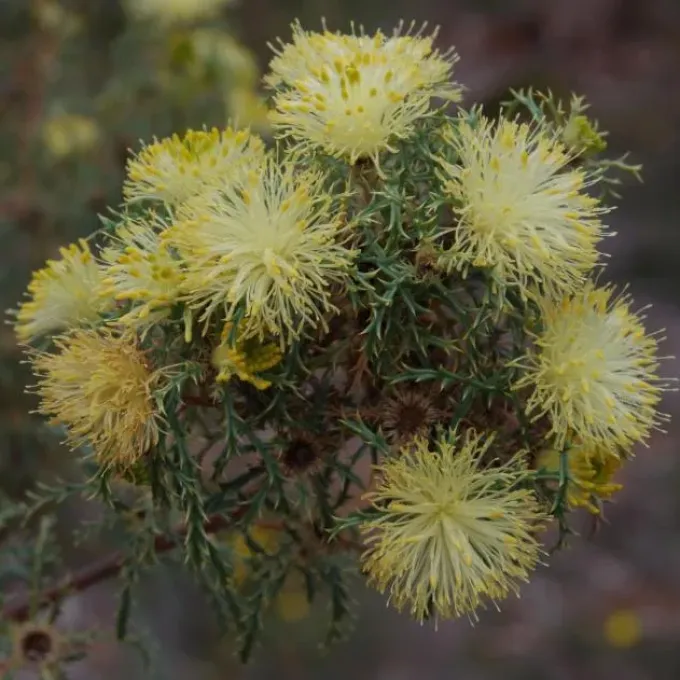
Description
Sowing dates
Banksia polycephala belongs to the Proteaceae family and is native to regions with specific fire-prone ecosystems. Propagation is primarily achieved through seed sowing, which requires careful preparation.
In nature, the woody follicles of the banksia seed pod are opened by the heat of bushfires. To mimic this in cultivation, seeds are often lightly heat-treated or stored in a warm, dry place until the follicles open naturally.
Seeds should be sown in a very well-draining, nutrient-poor substrate. A mixture of coarse sand and a small amount of peat is ideal, as it prevents root rot during the delicate germination process.
Consistent temperatures around 18–22 degrees Celsius are necessary for successful germination. Sowing is best timed for early spring to take advantage of natural light increases as the seedlings develop their first leaves.
Once seedlings have established two or three sets of true leaves, they can be carefully transplanted into deeper containers. Extreme caution is needed to avoid disturbing the fragile proteoid roots.
Growing requirements
The success of growing Banksia polycephala depends heavily on soil chemistry. The soil must be acidic and extremely well-draining, as the plants are highly susceptible to root decay in waterlogged conditions.
These plants are sun-lovers and require full exposure to direct sunlight for the majority of the day. Lack of light results in weak, spindly growth and a total absence of the characteristic flower heads.
Climate-wise, they prefer mild, Mediterranean-style winters and dry, warm summers. They can tolerate light frosts, but prolonged exposure to freezing temperatures, combined with humidity, can be fatal to the shrubs.
A crucial rule in banksia maintenance is the strict avoidance of phosphorus-rich fertilizers. Proteaceae have evolved to absorb nutrients from poor soils and are easily poisoned by standard garden fertilizers.
Good ventilation is essential, especially when grown in greenhouses or pots. Stagnant air encourages fungal infections, which are the most common cause of failure in banksia cultivation.
Yield
Banksia polycephala is primarily cultivated for the high-value ornamental cut flower market. Its unique, multi-headed appearance makes it a sought-after component in professional floral arrangements.
While yield is not measured in weight, a healthy mature bush can produce a significant number of inflorescences per season. Proper pruning after flowering promotes bushier growth and higher production in subsequent years.
Harvesting is performed when the flower heads are fully mature. Stems are cut at an angle to ensure proper water uptake, and the flowers are kept in a cool environment to maximize their vase life.
Beyond fresh cut flowers, Banksia polycephala is widely used in the dried flower industry. The woody texture of the heads allows them to retain their aesthetic appeal for years without additional preservation.
Economic viability is high due to the specialty nature of the plant, though it remains a niche crop that requires advanced knowledge of specific environmental controls to be successful.
Main diseases and pests
The most devastating threat to any banksia species is the soil-borne water mold *Phytophthora cinnamomi*. This pathogen causes root rot that is generally irreversible and leads to rapid plant death.
Insects like mealybugs and scale insects are common pests that attack the stems and leaves. They weaken the plant by extracting sap and can lead to secondary issues like sooty mold accumulation.
If an infestation occurs, contact insecticides should be used with caution. It is vital to ensure that chemicals do not concentrate on the sensitive flower heads to prevent aesthetic damage to the product.
Leaf spots caused by fungal pathogens can appear if the surrounding air humidity remains too high for extended periods. Improving airflow is the most effective preventative measure against these diseases.
Mechanical damage to roots during weeding or digging should be strictly avoided. The damaged roots provide easy entry points for pathogens, significantly increasing the risk of infection in the root zone.