
Banksia plagiocarpa
Banksia plagiocarpa
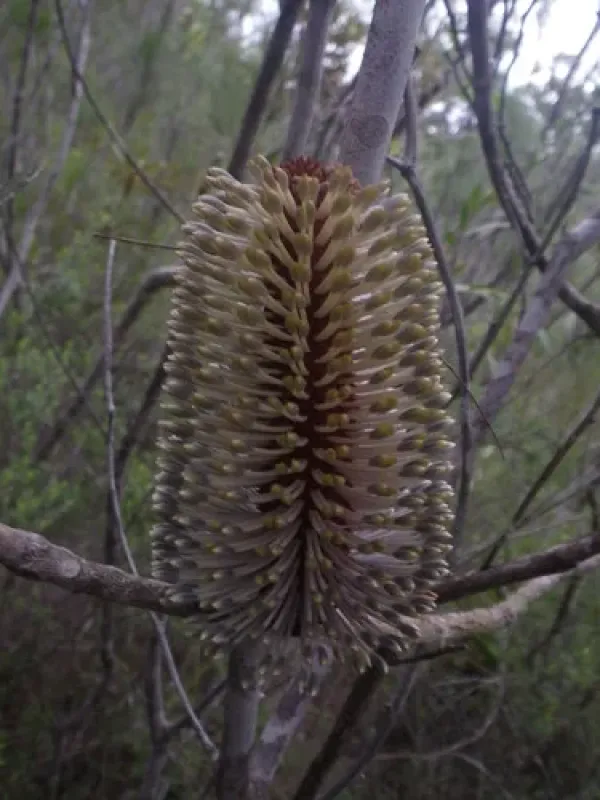
Description
Growing requirements
Banksia plagiocarpa, commonly known as the Hinchinbrook Banksia, is a member of the Proteaceae family. It is a large shrub or small tree native to Hinchinbrook Island, where it occupies specialized ecological niches in coastal forest areas.
The cultivation of this species requires a specific soil profile characterized by excellent drainage and high acidity. It is essential to provide a substrate with very low phosphorus levels, as plants in the Proteaceae family have evolved to absorb nutrients from phosphorus-poor soils.
Climatic requirements for Banksia plagiocarpa include a frost-free environment with plenty of sunshine. While it thrives in warm, humid coastal conditions, it must be protected from extreme temperature fluctuations and excessive frost, which can damage the foliage and stems.
Effective agrotechnical practices focus on minimizing root disturbance and maintaining soil moisture levels that prevent drying out without causing waterlogging. Mulching is often recommended to maintain stable root zone temperatures and simulate the natural forest floor conditions.
In terms of agricultural and horticultural use, the species is valued for its distinctive "candle" inflorescences. These flowers are highly ornamental and have become popular in the specialty cut flower market, where their unique shape and longevity are highly prized by designers.
Main diseases and pests
The primary threat to Banksia plagiocarpa is root rot caused by Phytophthora species. This soil-borne pathogen thrives in wet conditions and can be devastating to established plants, often leading to rapid mortality if drainage is inadequate.
Insect pests include wood-boring larvae that can weaken the structural integrity of the stems. Additionally, mites and aphids may infest new growth during periods of stress, necessitating careful monitoring and appropriate, gentle horticultural treatments.