
Banksia media
Banksia media
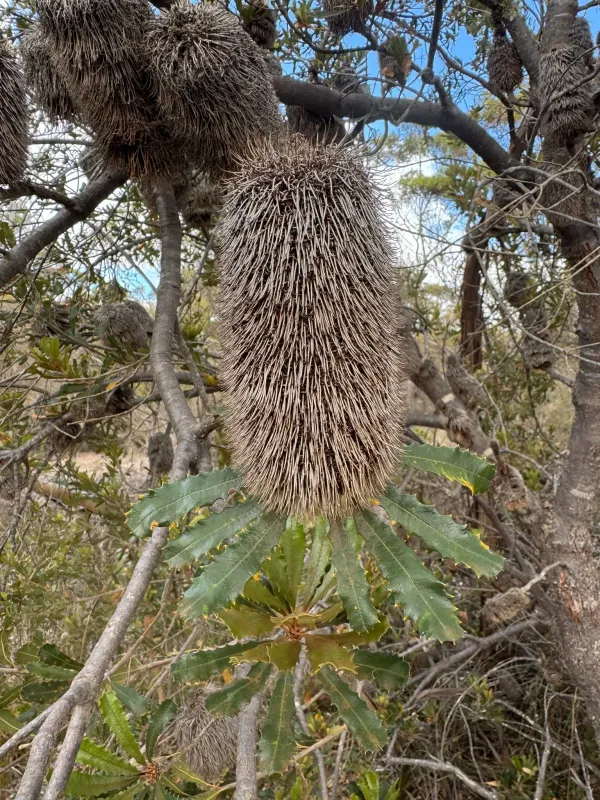
Description
Sowing dates
Propagation of Banksia media is typically achieved through seeds contained within woody follicles. In the wild, these follicles require the intense heat of bushfires to open and release the seeds for germination.
For horticultural purposes, seeds are pre-treated using scarification or temperature cycling to mimic natural conditions. This process breaks dormancy and significantly enhances the germination rate.
The ideal growing medium is a low-phosphorus, free-draining sandy mix that replicates the plant's native habitat. Sowing should occur in early spring when temperatures are consistent for steady growth.
Cuttings can be taken from semi-hardwood material; however, success requires the use of specialized rooting hormones and careful moisture management. This method is preferred when propagating specific garden varieties.
Seedlings should be handled with extreme care due to the sensitive nature of the proteoid root system. Once established, they should be transplanted to their final location without disturbing the root ball.
Growing requirements
Banksia media belongs to the Proteaceae family and is native to the coastal regions of Western Australia. It is an evergreen shrub characterized by its robust nature and adaptability to harsh environmental conditions.
The species thrives in full sun exposure. Adequate light is essential for maintaining a compact growth habit and for the successful initiation of its characteristic dense, cylindrical flower spikes.
Soil requirements are strictly defined by the need for excellent aeration and low phosphate levels. The plant has evolved to extract nutrients from depleted soils via specialized root clusters that are highly sensitive to fertilizers.
The climate requirement is Mediterranean, featuring mild, wet winters and dry summers. In regions with frost, Banksia media must be grown in containers and sheltered during the winter months to prevent cold damage.
Water management is crucial. While mature plants are drought-tolerant, young specimens require consistent moisture. Regardless of age, the soil must never become waterlogged to prevent root rot.
Yield
Banksia media is primarily valued as a high-quality ornamental shrub and a premium choice for the cut-flower industry. Its aesthetic appeal comes from the long-lasting, architecturally shaped floral displays.
Yield, in terms of harvestable flower stems, depends on the plant's health and regular light pruning. Proper maintenance ensures a steady production of high-quality stems that are highly prized in floral design.
Beyond floristry, the plant provides significant ecological value by supporting local pollinator populations. Its flowers are a rich source of nectar, making it a functional component of biodiversity-focused gardens.
The commercial cultivation of this species is expanding due to the rising demand for exotic and long-lasting floral materials in international markets, offering potential for niche agricultural investment.
In landscaping, its use as a sustainable, low-maintenance screen or specimen plant reduces the long-term cost of irrigation and chemical inputs compared to traditional ornamental crops.
Main diseases and pests
The most significant threat to Banksia media is Phytophthora root rot. This water-borne pathogen is lethal and thrives in poorly drained soils, making hygiene and site selection the most important preventative measures.
Insect pests, including various caterpillars and borers, can damage the foliage and woody stems. Integrated pest management, focusing on biological controls, is effective in mitigating these impacts.
Nutrient deficiencies, specifically iron chlorosis, may occur if the soil pH is too high, preventing the plant from absorbing essential minerals despite their presence in the substrate.
Fungal issues, such as sooty mold, can appear if plants are grown in poorly ventilated areas or under conditions of excessive humidity, which encourages the growth of honeydew-secreting pests.
Overall management requires regular monitoring for signs of stress or decay. Preventive measures, such as mulching with organic materials that do not alter soil chemistry, help maintain plant vitality.