
Banksia
Banksia formosa
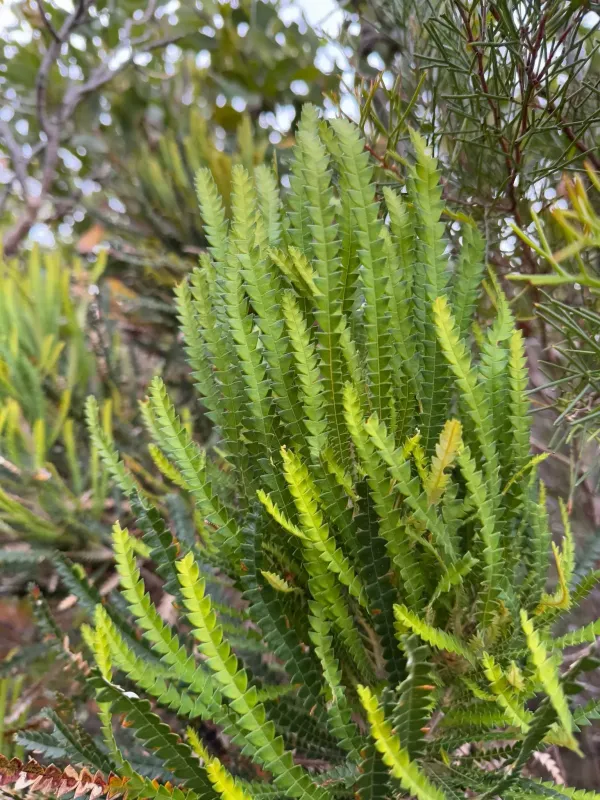
Description
Sowing dates
Banksia is primarily propagated through seeds, which ensures genetic diversity and healthy plant development. Sowing should take place in spring when temperatures are consistently warm and stable for germination.
The seeds possess a hard coat, requiring scarification or stratification techniques to enhance germination rates. Ideal conditions for seedling growth involve a temperature range between 20–25 degrees Celsius.
A lightweight, well-draining substrate with a high proportion of sand is essential to prevent root suffocation. Seeds should be sown shallowly, with only a thin layer of fine substrate or vermiculite placed over them.
Seedlings typically emerge within 3 to 6 weeks, depending on environmental stability and seed quality. Maintaining a moderate moisture level is crucial; the soil must neither dry out completely nor remain waterlogged.
After the development of several sets of true leaves, the young plants require careful potting. Gradually acclimating the seedlings to direct sunlight is necessary before transplanting them to their final growing location.
Growing requirements
As a member of the Proteaceae family, Banksia is naturally adapted to nutrient-poor, sandy soils. Agricultural success depends heavily on ensuring superior drainage, as the species is highly susceptible to root rot.
The plants thrive in acidic to neutral soils and are extremely sensitive to phosphorus levels. Using standard fertilizers is often detrimental; it is essential to use phosphorus-free or low-phosphorus fertilizers to prevent toxicity.
Banksia requires maximum light exposure for optimal growth and flowering. In temperate climates, commercial production often occurs in controlled greenhouse environments to ensure sufficient luminosity throughout the year.
Climate management is vital, as the plant needs protection from harsh frosts and cold, drying winds. Stable environmental conditions without drastic temperature fluctuations are necessary for the sustained development of the crop.
Watering must be moderate, utilizing soft water whenever possible. Hard water, containing high levels of calcium or magnesium, can disrupt the plant's nutrient uptake and damage the sensitive root system.
Yield
In a commercial setting, yield is defined by the number and quality of flower spikes produced. Proper horticultural management is necessary to achieve high-quality yields that meet market standards.
Optimal productivity is reached when the plant matures, usually 3–5 years after planting. A healthy, well-maintained shrub can produce a significant volume of unique, woody-like flower spikes per season.
Product quality is directly linked to light intensity and nutritional balance. Insufficient light leads to deformed or underdeveloped spikes, which are non-marketable in the high-end floral industry.
Employing professional feeding programs that avoid high phosphorus content supports continuous flowering. Precise microclimate control in greenhouses allows for a more predictable and extended harvest schedule.
Properly harvested Banksia spikes have a long shelf life, often remaining in peak condition for several weeks if stored in cool, ventilated conditions. This durability makes them highly valuable for international flower trade.
Main diseases and pests
Phytophthora root rot is the most significant threat to Banksia plantations. This pathogen flourishes in poorly drained soil or waterlogged conditions, frequently leading to the rapid decline and death of the plant.
Common pests include spider mites and scale insects, which target leaves and young shoots. These pests proliferate in dry, enclosed environments, making regular monitoring and appropriate pest management protocols essential.
Mealybugs can also infest the plant, hiding in leaf axils where they are difficult to detect. Early identification is key to preventing widespread infestation and minimizing the need for heavy chemical intervention.
Prevention is the best strategy for managing fungal pathogens. Ensuring excellent air circulation and utilizing sterile propagation media significantly reduces the risk of disease outbreaks in the nursery phase.
Mineral imbalances, specifically over-fertilization, often manifest as chlorosis or stunted growth. If symptoms appear, growers must assess the soil pH and nutrient content to correct the chemical balance immediately.
Harvesting
Harvesting should occur in the early morning when the plant's water potential is highest. This practice ensures that the cut spikes remain fresh and turgid for the longest possible duration post-harvest.
Always use clean, sharp pruning tools to make precise cuts at an angle. This increases the surface area for water absorption, which is critical for maintaining spike quality during transport and storage.
Immediately after cutting, remove the lower foliage to prevent decay when the stems are placed in water. This step is essential to inhibit bacterial growth and maintain the clarity of the storage solution.
Transportation requires careful packaging in ventilated containers to prevent moisture buildup and potential mold growth. Spikes should be handled gently to avoid physical damage to the intricate flower structures.
For dried flower production, hang the spikes upside down in a dark, well-ventilated area. This process allows the flowers to retain their natural structure and color, making them popular for high-end interior decor.