
Banksia baxteri
Banksia baxteri
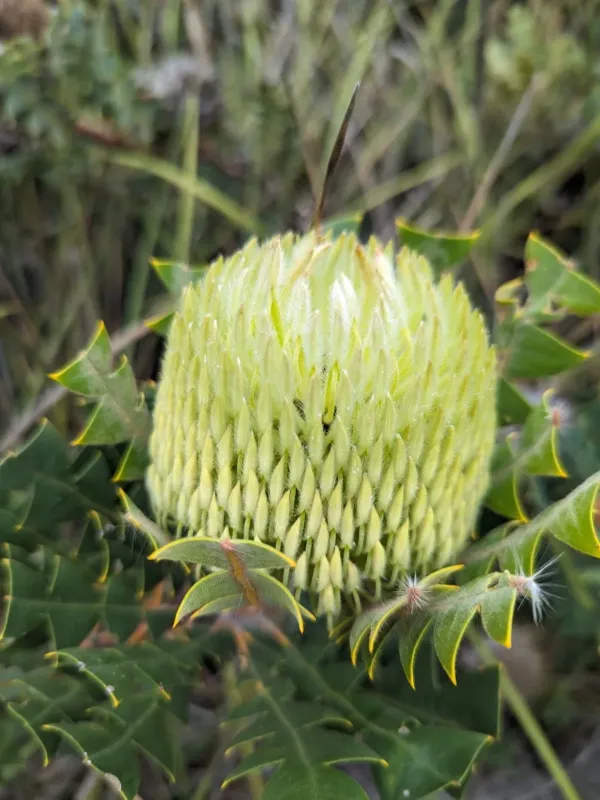
Description
Growing requirements
Banksia baxteri, commonly known as Baxter's Banksia, belongs to the Proteaceae family. It is an endemic shrub native to the southwestern regions of Western Australia, characterized by its unique, geometric, bird-like flower spikes.
The plant requires highly specialized soil conditions to thrive. It necessitates a well-draining, sandy, or stony substrate that is low in phosphorus. Because Proteaceae are sensitive to phosphorus, standard commercial fertilizers are often toxic to them.
Climate management is critical for the successful cultivation of this species. It prefers a Mediterranean-style climate with mild winters and warm, dry summers. In regions with harsh winters, it must be grown in greenhouses or as a potted specimen.
Solar radiation is a key factor in the development of its ornamental inflorescences. The plant requires maximum exposure to full sun to ensure the proper structural integrity and color intensity of the flower heads throughout the growing season.
Watering practices must be meticulous; the plant prefers a cycle of moisture followed by drying. Using high-quality, low-mineral water is essential to prevent the accumulation of salts in the substrate, which can damage the delicate root system.
Main diseases and pests
Root rot, primarily caused by Phytophthora cinnamomi, represents the most significant threat to Banksia plantations. This pathogen thrives in moist soils and can decimate an entire crop if strict drainage protocols are not followed.
Powdery mildew is a frequent issue in greenhouse environments where airflow is restricted or humidity levels fluctuate. Implementing horizontal airflow fans and managing humidity levels is the best defense against fungal outbreaks.
Insects such as caterpillars and various beetles can target the developing flower spikes, significantly reducing their market value. Integrated pest management (IPM) strategies are recommended to manage these threats without damaging the plant.
Soil-borne nematodes can also negatively impact plant health by damaging the root hair structure, which interferes with nutrient uptake. Using sterilized growing media and monitoring irrigation water quality helps to mitigate these risks.
Early detection through regular field inspections is vital. Any plants showing signs of decline should be quarantined or removed promptly to prevent the spread of soil-borne or airborne pathogens to healthy stock.
Harvesting
Banksia baxteri is primarily cultivated for the international cut-flower trade. Its striking, architecturally rigid inflorescences make it a highly sought-after component in professional floral design and luxury event arrangements.
Harvesting is typically performed when the flower spike has reached its full size, but while the individual florets are still mostly in the closed phase. This stage ensures the longest vase life and maintains the structural rigidity of the flower.
Manual harvesting with sterilized, sharp cutting tools is required to prevent tearing the woody stems. Post-harvest, stems should be treated to remove field heat immediately to extend their post-production life.
Strategic pruning after the flowering season is essential to maintain plant vigor and encourage the development of new flowering stems for the following year. Consistent pruning also aids in managing the plant's canopy density and height.
Quality grading is essential in commercial operations. Spikes are sorted based on their symmetry, stem length, and the lack of blemishes, ensuring that only top-tier produce reaches the wholesale floral market.