
Banksia baueri
Banksia baueri
Description
Sowing dates
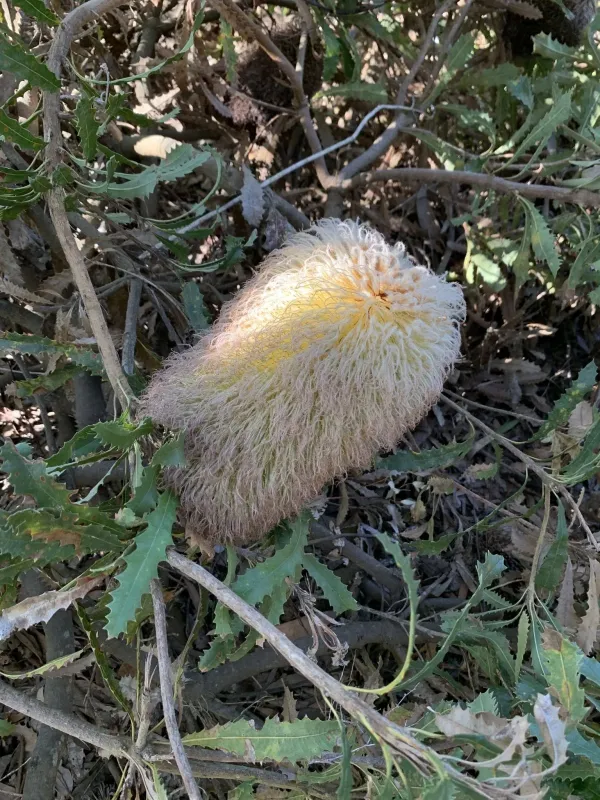
Banksia baueri, commonly known as the woolly banksia, belongs to the Proteaceae family. This perennial evergreen shrub reproduces in the wild via seeds found within woody, cone-like follicles.
The sowing process requires pre-treatment or heating of the seeds to simulate natural fires, which trigger the release of seeds from their protective capsules. Seeds are sown in well-drained, nutrient-poor substrate that mimics Australian sandy soils.
The optimal time for sowing in controlled environments is spring, when stable, warm temperatures are established. Seeds should be sown at a depth of no more than 5-10 millimeters to ensure proper oxygen exposure.
Germination is often uneven and may take from several weeks to several months. To ensure success, it is vital to maintain moderate soil moisture while avoiding waterlogging, which is lethal for seedlings.
Once true leaves appear, seedlings become extremely sensitive to transplantation due to their specialized root structure. Using peat pots is recommended to minimize root disturbance when planting them in their permanent location.
Growing requirements
The crop requires open, well-lit areas with full sun exposure throughout the day. The plant does not tolerate shade, which results in leggy growth and reduced flowering intensity.
Soils must be strictly sandy with low phosphorus content, as banksia roots are highly sensitive to this element. High drainage is a critical factor for preventing root rot diseases.
Temperatures must be kept moderate; this species does not tolerate hard frosts. In regions with harsh winters, it should be cultivated exclusively in greenhouses or as a container plant.
While the plant is drought-tolerant, it requires regular and moderate watering during active growth periods. The use of phosphorus-rich fertilizers is strictly forbidden for this species.
The soil pH should be slightly acidic or neutral. Any imbalance in nutrient levels causes the plant to lose its decorative value rapidly and can lead to plant death.
Main diseases and pests
The primary threat to this crop is pathogenic fungi of the genus Phytophthora. They attack the root system, leading to rapid plant decline if soil conditions remain overly wet.
In greenhouse conditions, the plant may be susceptible to spider mites and mealybugs. Biological control methods are preferred over aggressive chemical treatments to manage these pests.
Poor soil aeration encourages root rot, so it is essential to allow the top layer of soil to dry out completely between watering sessions.
Nutritional imbalances, especially phosphorus excess, lead to leaf chlorosis. This issue is usually corrected by applying chelated iron forms and adjusting fertilizer composition.
- Phytophthora root rot
- Spider mites
- Mealybugs
- Chlorosis
Harvesting
The commercial use of Banksia baueri is concentrated in the cut flower industry and professional landscape design. Its large, woolly inflorescences are highly decorative and have a long vase life.
Harvesting is performed in dry weather, cutting flower stalks with sharp pruning shears. It is important to leave enough foliage on the stem to support the shrub's ongoing photosynthetic needs.
After harvesting, flowers do not require complex preservation; placing them in clean water is sufficient. With proper care, bouquets maintain their appearance for up to two weeks.
In commercial settings, banksia is grown on plantations in regions with Mediterranean-style climates. Harvesting requires gloves and protective gear due to the rigid texture of the leaves and follicles.
Regular pruning immediately after flowering stimulates the formation of new floral buds for the next season, which significantly impacts the commercial yield of the plantation.