
Banksia aquilonia
Banksia aquilonia
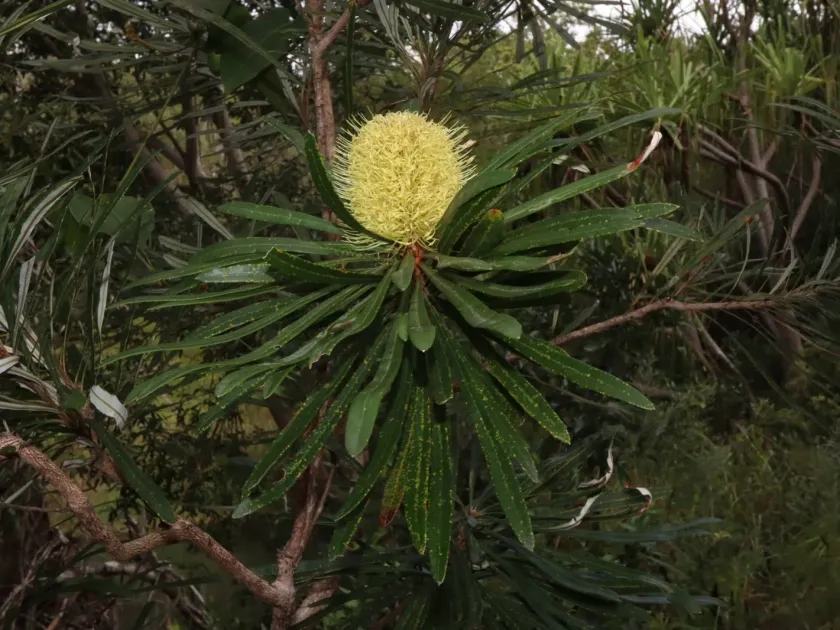
Description
Growing requirements
Banksia aquilonia is a prominent evergreen shrub or small tree belonging to the Proteaceae family. Native to the tropical coastal regions of northeastern Queensland, Australia, it thrives in environments characterized by high humidity and consistent warmth throughout the year.
Cultivation of this species requires specific soil conditions, specifically well-drained sandy or loamy substrates. It is extremely sensitive to phosphorus, a trait common to many members of the Proteaceae family; therefore, low-phosphorus fertilizers or specifically formulated native plant feeds must be used.
Environmental requirements include a frost-free climate with good air circulation. In regions outside its native range, it is primarily grown as a greenhouse plant, where humidity levels can be carefully managed to prevent the foliage from drying out during the hotter months.
Sunlight is critical for the development of its signature cylindrical flower spikes. Ideally, the plant should be placed in a position that provides full sun to light shade, ensuring that the foliage receives sufficient light to sustain healthy growth and flowering cycles.
Watering practices should focus on maintaining consistent moisture without causing waterlogging. Using high-quality potting mixes designed for Proteaceae is essential, as standard potting soils often hold too much water and can lead to immediate root health issues.
Main diseases and pests
The primary threat to the health and longevity of Banksia aquilonia is Phytophthora cinnamomi, a destructive soil-borne pathogen. This fungus targets the roots and can cause rapid decline and eventual death of the plant if drainage is not absolute.
Insect pests such as scale insects and mealybugs can pose a threat, particularly in enclosed greenhouse environments. These pests tend to congregate in the axils of the leaves, drawing sap and weakening the plant's structural integrity.
Caterpillars and certain borers can damage the stems and leaves, making regular monitoring necessary to prevent localized infestations. In commercial settings, integrated pest management practices are highly recommended over heavy chemical reliance.
Leaf spot diseases, often triggered by excessive overhead watering or stagnant air, can mar the foliage. To mitigate these risks, it is best to apply water directly to the soil surface rather than sprinkling the leaves directly, especially in temperate climates.
Finally, maintaining plant vigor is the best defense against threats. Healthy, well-fed, and properly situated plants are significantly less susceptible to both secondary infections and common greenhouse pests than those growing under suboptimal conditions.