
Adenanthos
Adenanthos hybrids
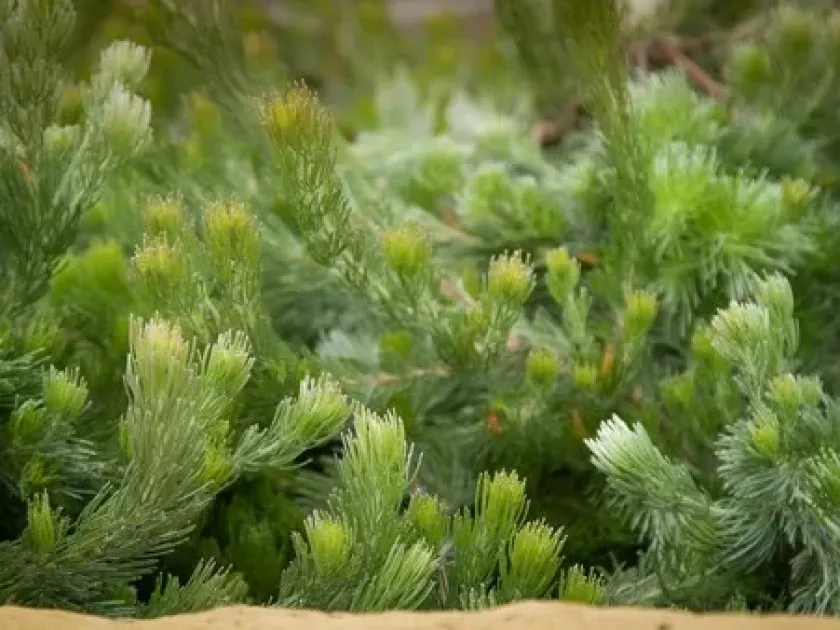
Description
Growing requirements
Adenanthos is a genus of evergreen shrubs belonging to the Proteaceae family. Native to Australia, these plants are renowned for their intricate, needle-like foliage, which provides a unique aesthetic value to landscapes and ornamental collections.
The biological success of Adenanthos depends on mimicking its natural environment. It thrives in well-draining, sandy, and nutrient-poor soils. The root system is highly adapted to low-phosphorus conditions, and the application of standard fertilizers can be fatal to the plant.
Climatic requirements involve plenty of direct sunlight. Adenanthos species are not frost-hardy and are typically grown in containers in cooler regions to ensure they can be moved to protected environments during cold weather.
Irrigation management is the most critical aspect of the plant's agronomy. While the foliage is drought-tolerant, the root system requires consistent moisture that does not persist, meaning excellent drainage is non-negotiable for long-term survival.
Pruning is essential for maintaining the shape of the shrub and preventing it from becoming leggy. Regular, light pruning promotes bushiness and enhances the development of the characteristic delicate foliage that defines the genus.
Main diseases and pests
The primary threat to Adenanthos is Phytophthora root rot. This fungal pathogen thrives in waterlogged conditions and can destroy a healthy plant within a very short period, making proper soil moisture control the main defensive strategy.
Spider mites are a common nuisance in indoor environments or greenhouses with low humidity. They congregate on the underside of leaves and along the stems, leading to severe chlorosis and leaf drop if left unchecked.
Mealybugs also pose a significant threat. Their presence is often identified by a white, waxy substance in the leaf axils, which can harbor eggs and protect the insects from contact insecticides.
Integrated Pest Management (IPM) is recommended for Adenanthos. This includes physical removal of pests, improving ventilation, and using selective systemic insecticides when infestation levels exceed the threshold.
To ensure plant health, avoid excessive overhead watering, as wet foliage combined with poor airflow significantly increases the risk of fungal infections and creates a favorable microclimate for various pests.