
Canary Island Orchid
Orchis canariensis
Description
Growing requirements
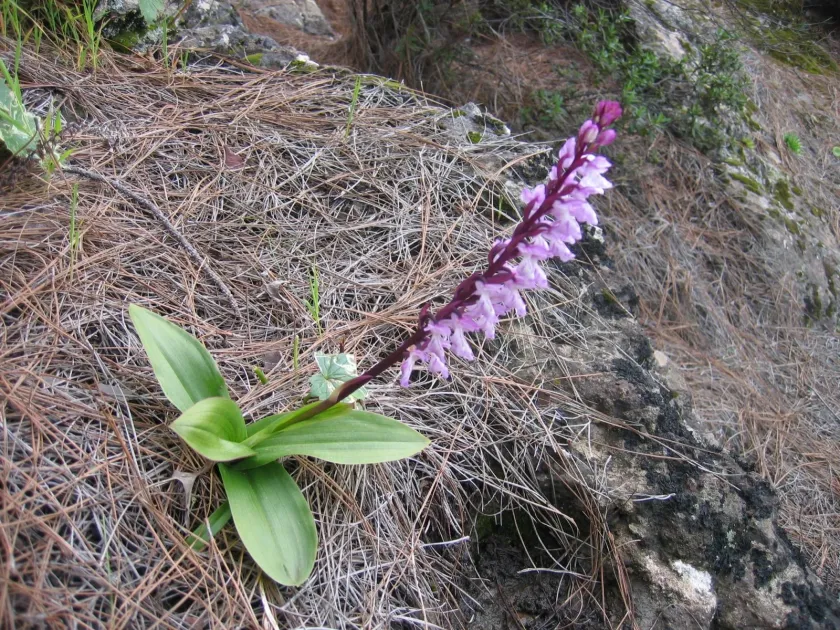
The Canary Island Orchid (Orchis canariensis) is a distinct species within the Orchidaceae family, native exclusively to the Canary Islands. It typically inhabits moist, shaded slopes within the laurel forest zones, thriving in specific microclimates.
This species requires a highly specialized growing medium. It needs a well-aerated, moisture-retentive mix often containing pine bark, perlite, and organic leaf mold to simulate the natural forest floor conditions it requires for survival.
Environmental stability is crucial for this orchid. It prefers moderate temperatures ranging from 15 to 22 degrees Celsius and high relative humidity levels, which help to prevent the drying out of its fleshy root system.
Regarding light, it favors bright, indirect sunlight. Direct exposure to intense sun can lead to leaf scorching and physiological stress. Indoors, placing the plant near an east-facing window or using artificial supplemental lighting is recommended.
The watering regime must be handled with extreme care. During the active growth phase, the substrate should remain slightly damp. However, it is vital to ensure that no water sits in the crown of the plant to prevent basal rot.
Main diseases and pests
The primary threats to Orchis canariensis include fungal pathogens like Rhizoctonia, which often infect the roots when drainage is inadequate. Using sterilized pots and fresh substrate is the first line of defense against these infections.
Pest issues are frequently caused by mealybugs and spider mites. These pests hide in the crevices of leaves and pseudobulbs, draining sap and weakening the plant. Regular visual inspections are necessary to catch infestations early.
Viral infections, which can be spread through contaminated tools, pose a fatal threat. It is essential to sanitize all gardening equipment between handling different plants to avoid the unintentional transmission of pathogens.
Nutrient deficiency is another common issue when the plant is kept in an old, decomposed substrate. When the pH balance shifts or the organic material breaks down, the orchid becomes unable to take up critical microelements.
Finally, improper dormancy management is a major risk factor. If the plant is forced to grow when it requires rest, it will become exhausted. Allowing the plant a natural rest period, with reduced irrigation, is essential for long-term health.