
Heath spotted-orchid
Dactylorhiza maculata
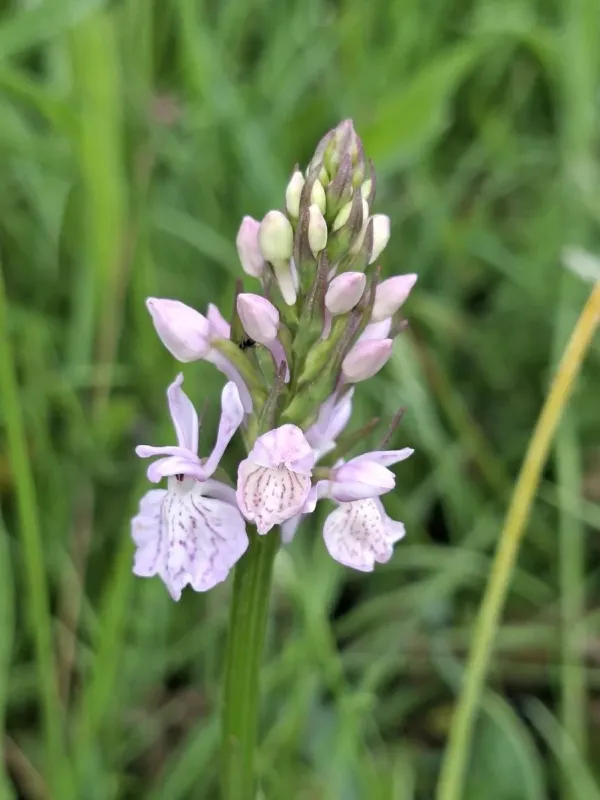
Description
Sowing dates
The propagation of the heath spotted-orchid in natural environments occurs primarily through seeds. These seeds are minute, dust-like, and lack endosperm, which makes them entirely dependent on a symbiotic relationship with specific mycorrhizal fungi for initial nutrient uptake and successful germination.
Under cultivation, sowing is performed in specialized substrates that mimic the natural forest floor. The ideal time for sowing is during the spring when temperatures are consistently warm and moisture levels are high, which is critical for the delicate germination process.
Sterility is paramount when sowing these orchids to prevent competitive molds from overtaking the substrate. The application of specific mycorrhizal inoculants is highly recommended to significantly improve the germination rates and long-term survival of the young seedlings.
Vegetative propagation is an alternative method involving the division of root tubers during the plant's dormancy phase. This approach allows for the preservation of desirable characteristics and results in faster development compared to the long and uncertain process of seed germination.
Due to the plant's slow growth rate, patience is required as it may take several years for a seedling or a divided tuber to mature into a flowering specimen. Consistent monitoring during the early stages of development is essential.
Growing requirements
The heath spotted-orchid belongs to the Orchidaceae family and is recognized by its characteristic palmate (hand-shaped) tubers. It is a perennial herbaceous plant naturally found in damp grasslands, heathlands, and forest edges across temperate regions of Eurasia.
The culture requires moist, well-drained soil rich in organic matter, typically favoring acidic to neutral pH levels. The plant is extremely sensitive to waterlogging, as stagnant water quickly leads to the degradation of the root system and fatal rot.
Light requirements for this species include dappled sunlight or partial shade. Direct, intense sunlight can lead to leaf scorching, especially in late spring and summer, so providing filtered light is crucial for maintaining foliage health and vigor.
The climatic preferences involve high humidity and moderate temperatures without drastic fluctuations. The species is quite hardy, capable of surviving cold winters, especially when protected by a layer of mulch or snow, which serves as natural insulation.
Agrotechnical maintenance focuses on providing soft, chlorine-free water for irrigation. The species is sensitive to high salinity, so the application of fertilizers should be kept to a minimum and restricted to balanced organic options.
Yield
Commercial utilization of the heath spotted-orchid is largely limited due to conservation status in many regions, but it remains a prized plant in horticultural collections. The primary horticultural value lies in its decorative foliage and ornate floral spikes.
From an ethnobotanical perspective, the tubers have been historically harvested for the production of "salep," a nutritive flour made from dried orchid tubers. It is valued for its high starch and mucilage content, which provides soothing properties.
Yield productivity is tied to the plant's slow development. Intensive harvesting is generally unsustainable, and thus, small-scale, careful cultivation is the only viable method to produce material for research or limited medicinal use without destroying wild populations.
Developing high-quality planting stock for sale to enthusiasts and botanical gardens represents the most viable economic segment for this culture. Professional cultivation relies on maintaining high standards of health and vigor in mother plants.
Overall, maximizing yield requires precise control over environmental factors such as humidity, substrate composition, and the presence of essential fungal symbionts, which directly influence the size and vitality of the tubers.
Main diseases and pests
The most significant threat to the health of Dactylorhiza maculata is fungal pathogens, specifically those causing root and crown rot. These issues are almost exclusively triggered by inadequate soil aeration and poor drainage, which favor the spread of rot-causing microbes.
Pests such as spider mites and aphids can infest the plants, particularly in greenhouses or during dry spells. These insects pierce the leaves to feed on cellular sap, leading to stunted growth and a higher susceptibility to secondary viral infections.
Nematodes are another common challenge, as they inhabit the soil and form galls on the tubers, severely restricting nutrient transport. Prevention through soil sterilization and the use of certified disease-free growing media is the best line of defense.
Gastropods, including snails and slugs, are frequent threats that graze on the succulent growth of the plant. Barrier methods, such as copper tape or organic slug pellets, are effective in protecting the orchids during their most vulnerable stages.
Chemical stress from synthetic fertilizers or contaminated water can manifest as root burn and tissue necrosis. Maintaining a stable, balanced, and organic-rich soil environment is essential to keeping the orchid's immune system robust.
Harvesting
The harvest of tubers for medicinal or propagation purposes occurs at the end of the growing season. This timing coincides with the onset of senescence in the foliage, indicating that the plant has stored maximum energy in its roots for the winter.
Careful excavation is mandatory to preserve the integrity of the palmate tubers. Once removed from the soil, they are thoroughly cleaned of dirt and organic debris, and the mother tuber is carefully separated from daughter tubers if propagation is intended.
After cleaning, the tubers undergo a quick blanching process in boiling water. This step is critical as it deactivates enzymes that could cause deterioration and helps ensure the tubers dry properly without becoming moldy or soft.
Drying must be conducted in a well-ventilated, temperature-controlled environment until the tubers reach a "horny" or semi-translucent, hard consistency. Proper moisture reduction is essential to ensure the shelf-life and stability of the final product.
Storage of the finished product requires cool, dry, and dark conditions to prevent oxidation and moisture absorption. Utilizing breathable storage containers, such as paper or cloth bags, helps maintain the quality and pharmacological potential of the tubers.