
Lapland Marsh Orchid
Dactylorhiza lapponica
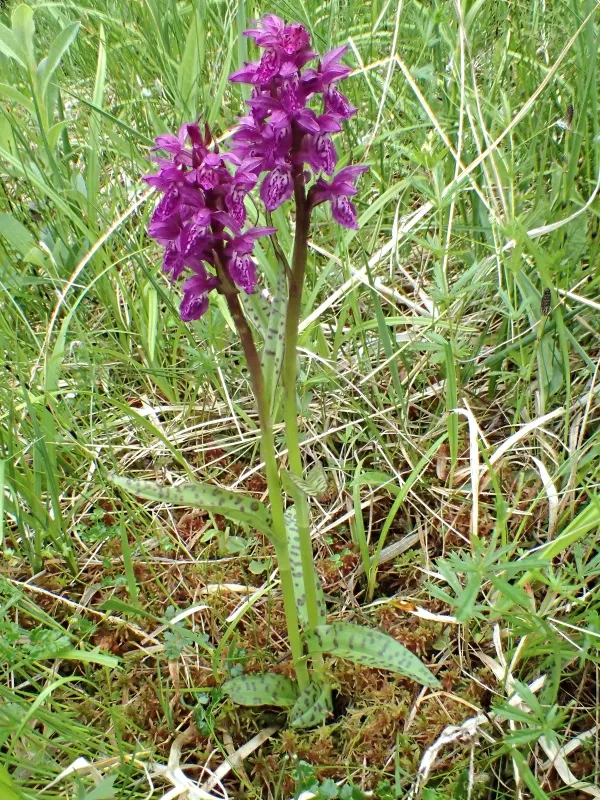
Description
Growing requirements
The Lapland Marsh Orchid (Dactylorhiza lapponica) is a perennial herbaceous plant belonging to the Orchidaceae family. It is not an agricultural crop but rather a specialized orchid species found in sensitive northern habitats across Europe and Asia.
The plant is characterized by its dactyl-shaped tubers and a spike-like inflorescence of small, purple-toned flowers. The leaves often feature distinctive dark spotting, which is a common diagnostic characteristic among the Dactylorhiza genus in arctic and subarctic regions.
The distribution of this orchid is restricted to specific niches such as calcareous fens, bogs, and wet meadows. It thrives in soils with high moisture content and a neutral to alkaline pH, conditions that are often maintained by groundwater discharge.
There are no agricultural production standards for this species as it is legally protected in most regions where it occurs. Cultivation is strictly limited to botanical gardens or conservation projects focused on preserving the biodiversity of rare flora.
From an ecological perspective, this species serves as a biological indicator. Its presence signifies stable hydrological conditions and low impact from agricultural pollution or land drainage activities in Northern landscapes.
Main diseases and pests
The primary threat to the Lapland Marsh Orchid is the drainage of wetlands and fens, which destroys the hydrological stability required for the species to thrive and complete its reproductive cycle.
Agricultural expansion, including the conversion of boggy meadows into arable land, poses a significant risk to the fragmentation of its populations and the total loss of specific habitats.
Fungal infections in the soil can compromise the health of the tubers, particularly in years with irregular rainfall that disturbs the delicate balance of the fen ecosystem.
Herbivory by larger mammals or insects can be detrimental to small, isolated populations, preventing the plants from producing mature seeds and hindering natural regeneration.
The disruption of mycorrhizal fungal networks in the soil is a critical threat, as these fungi are essential for the germination of the orchid's dust-like seeds in the nutrient-poor peat soils.