
Dactylorhiza insularis
Dactylorhiza insularis
Description
Growing requirements
Dactylorhiza insularis is a perennial herbaceous plant belonging to the Orchidaceae family. It is important to note that this species is not an agricultural crop but a rare wild orchid that survives in highly specific ecological niches throughout the Mediterranean region.
The geographic range is concentrated on islands such as Sardinia, Corsica, and Sicily. This plant thrives in natural habitats where the soil conditions are stable and support the presence of mycorrhizal fungi, which are essential for the survival and development of the orchid.
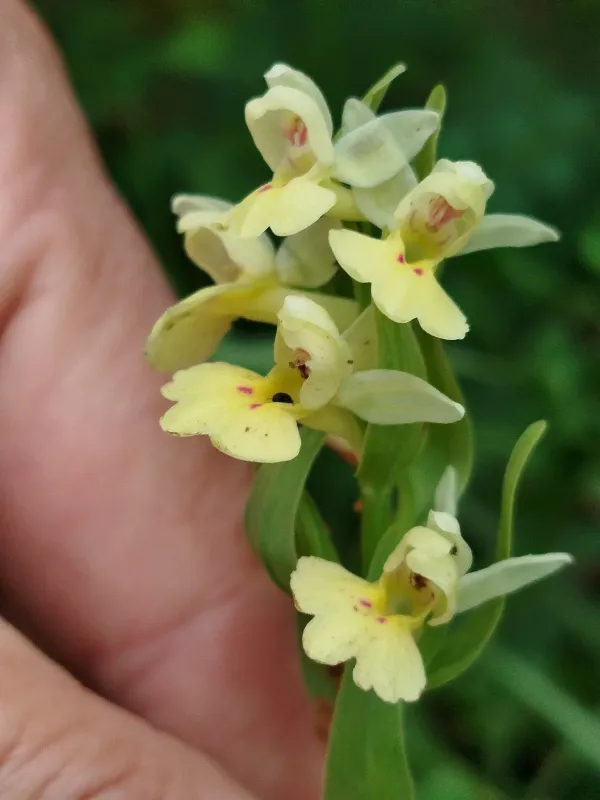
Botanically, the plant is known for its palmately lobed tubers, which are a defining characteristic of the genus. It produces a central stem with narrow leaves and a distinct inflorescence featuring yellow to cream-colored flowers, distinguishing it from the more common purple or pink varieties found elsewhere.
Climate requirements involve mild winters and a relatively moist spring growing season. Dactylorhiza insularis is particularly sensitive to direct, harsh sunlight and arid conditions, preferring the shelter provided by scrublands or clearings within wooded areas that offer partial shade.
Regarding soil preferences, the plant requires well-drained, slightly acidic to neutral substrates. Agricultural practices like fertilization or intensive tilling are detrimental, as they disrupt the delicate symbiotic network between the plant's roots and the fungi, leading to inevitable decline.
Main diseases and pests
The primary threats to Dactylorhiza insularis involve habitat loss due to land development and changes in traditional land-use practices. The conversion of wild landscapes into pasture or construction sites drastically reduces the viable population size.
Disease pressure is primarily linked to root rot caused by stagnant water or soil pathogens that thrive when the plant's natural defense systems are weakened by environmental stress. Fungal infections can quickly destroy the root tubers, preventing the plant from returning in the following year.
Insect pests can damage the reproductive parts of the flower, which is particularly devastating for a plant that relies on cross-pollination in areas where individual plants may be widely spaced. This reduces the seed set and hampers the natural recruitment of new generations.
Competition from more aggressive invasive plant species often leads to the displacement of Dactylorhiza insularis. In environments where ecological balance is disturbed, this orchid lacks the competitive traits needed to survive against rapidly spreading vegetation.
Due to these environmental pressures, conservation efforts are focused on protecting current sites from human activity. Any attempt to cultivate this species for agricultural or commercial purposes is largely unsuccessful due to its extreme dependency on a specific symbiotic environment.