
Early marsh-orchid
Dactylorhiza incarnata
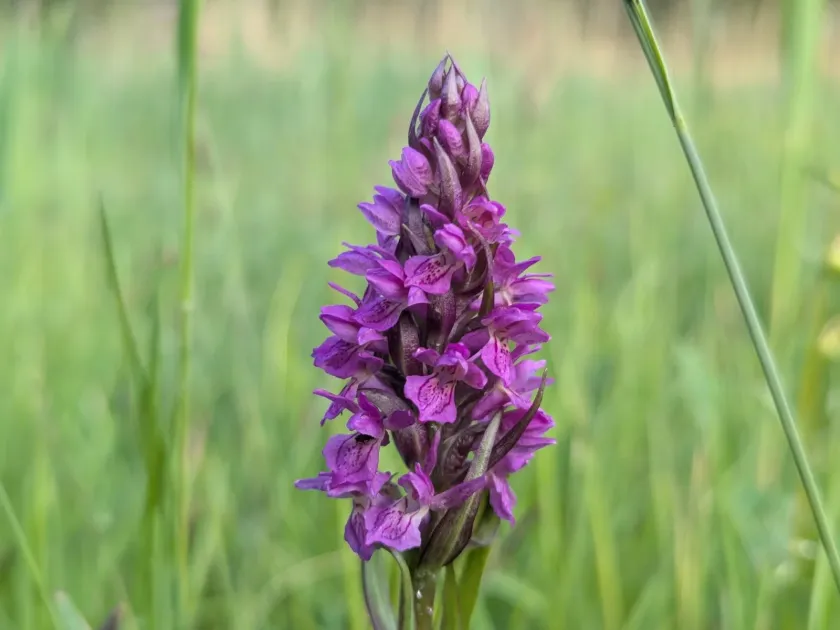
Description
Growing requirements
The early marsh-orchid (Dactylorhiza incarnata) is a member of the Orchidaceae family, commonly found in fens, marshy grasslands, and wet meadows across temperate regions.
The plant requires stable hydrological conditions with high water tables and neutral to slightly alkaline, mineral-rich soils. It relies heavily on mycorrhizal fungi for successful germination and nutrient uptake.
Morphologically, it is characterized by palmately lobed tubers and a hollow, leafy stem. Its leaves are often unspotted, distinct from other species within the genus Dactylorhiza.
While not a conventional agricultural crop, it has historical significance as a source of 'salep'—a flour derived from dried tubers—though its current protection status prohibits commercial harvesting.
The species is considered an important bioindicator of healthy, pristine wetland ecosystems, making it a focal point for conservation efforts rather than intensive cultivation.
Main diseases and pests
Drainage for agricultural land reclamation represents the most significant threat to the survival of this species, as it destroys the delicate wetland habitat.
Eutrophication caused by runoff from nitrogen-based fertilizers in adjacent farmlands alters the soil composition, promoting the growth of invasive grasses that crowd out the orchids.
Fungal pathogens can occasionally affect the plant during periods of prolonged water stagnation, leading to root rot and loss of individual plants.
Specific lepidopteran larvae may feed on the floral parts, potentially reducing seed set in small, fragmented populations of the orchid.
Intensive livestock grazing leads to soil compaction and direct damage to the succulent parts of the plant, which are sensitive to mechanical disturbances during the growing season.