
Dactylorhiza hybrids
Dactylorhiza hybrids
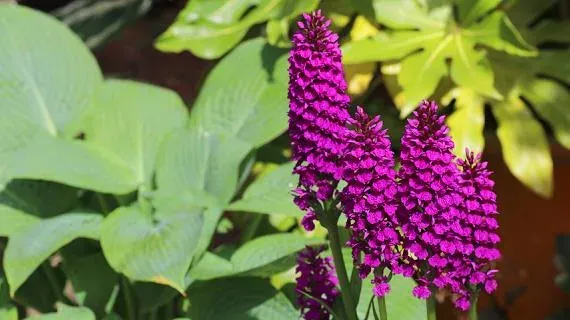
Description
Growing requirements
Dactylorhiza hybrids belong to the Orchidaceae family and are among the most popular hardy orchids cultivated in gardens. These plants are derived from various species native to the wetlands, meadows, and woodlands of the temperate Northern Hemisphere.
These orchids thrive in semi-shaded locations with high ambient moisture. They are adapted to cooler climates and require a dormant period during winter, making them suitable for outdoor gardening in regions with distinct seasonal changes.
The ideal soil is a porous, moisture-retentive substrate rich in organic matter. A mix of peat, perlite, and decomposed leaf litter provides the necessary aeration for root health. Avoiding compacted, heavy clay soils is essential to prevent rhizome rotting.
Cultivation requires careful management of soil chemistry and mycorrhizal fungi. These orchids rely on a symbiotic relationship with soil fungi to acquire nutrients, which means that using excessive chemical fertilizers can actually inhibit their growth.
In terms of usage, Dactylorhiza hybrids are primarily used in ornamental horticulture. They serve as valuable additions to woodland gardens, shaded rockeries, and bog gardens where they provide unique floral displays in late spring and early summer.
Main diseases and pests
The primary threat to Dactylorhiza is root rot caused by poor drainage or overly stagnant water conditions. Once the rhizomes become saturated for prolonged periods, they are highly susceptible to Pythium and Rhizoctonia fungal infections.
Slugs and snails are the most significant pests in garden settings, often consuming emerging green shoots overnight. Gardeners often use copper barriers or iron phosphate-based baits to protect their collections during the active spring growth phase.
Aphids can colonize the flower spikes, draining energy from the plant and causing distorted blooms. Gentle treatment with insecticidal soap or neem oil is generally recommended to control these pests without damaging the sensitive orchid tissues.
Viral infections can manifest as yellow streaks or stunted growth. Since there is no cure, preventing the spread is crucial. All garden tools used for pruning should be disinfected with alcohol between plants to prevent mechanical transmission.
Environmental stress, such as sudden drought or extreme heat, weakens the plants and makes them vulnerable to secondary infections. Consistent moisture management is the best defense against both pests and common fungal diseases.