
Dactylorhiza hatagirea
Dactylorhiza hatagirea
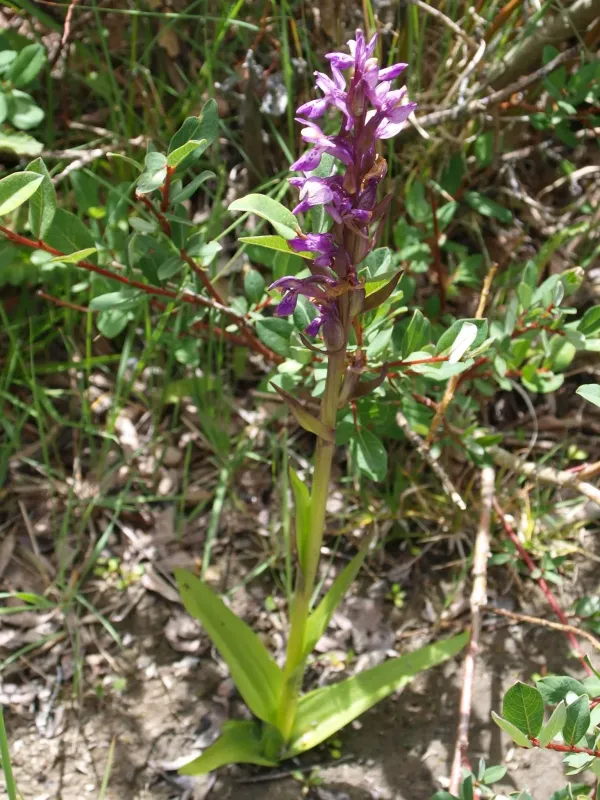
Description
Sowing dates
Dactylorhiza hatagirea belongs to the Orchidaceae family. It is a perennial herbaceous plant that is notoriously difficult to propagate by seeds due to the lack of endosperm, which requires a specific symbiotic relationship with mycorrhizal fungi in the soil to germinate.
In agronomic practices, for commercial or research purposes, the method of micropropagation (in vitro) is preferred. Propagation by seeds is only feasible if the growing medium is inoculated with the specific fungal culture required for the plant's development.
Natural populations of this species are characterized by extremely slow development. It takes years for the plant to form a mature root tuber, making industrial-scale cultivation a labor-intensive and challenging endeavor.
The optimal time for transplanting tissue-cultured plantlets to the field is during the spring season when stable positive soil temperatures are established. Gradual acclimatization is essential for survival.
In its natural habitat, the plant propagates vegetatively by splitting root tubers, but this natural rate of reproduction is insufficient to support large-scale production demands.
Growing requirements
This species is an alpine plant native to the sub-alpine and alpine zones of the Himalayas, Tibet, and surrounding regions, typically found at altitudes ranging from 2800 to 4000 meters above sea level.
The crop requires high soil moisture levels, preferring well-drained yet consistently damp sites. Ideal conditions include organic-rich loams with a neutral or slightly acidic soil pH.
The temperature regime must mimic a cool mountain climate. The plant does not tolerate stagnant hot air or extreme summer temperatures, which necessitates the use of shade nets or protective structures.
The presence of specific soil microbiota is a critical factor. Without the development of a symbiotic relationship with soil fungi, the plant cannot effectively absorb nutrients and will eventually perish.
Agricultural management requires maintaining a loose soil structure to ensure oxygen availability to the root system, while simultaneously preventing waterlogging, which can cause the characteristic palmate tubers to rot.
Yield
The economic value of this crop lies in its root tubers, which are processed into a valuable powder known as "salep." In traditional medicine, it is highly prized for its nutritive and restorative properties.
Biomass yields are extremely low due to the plant's slow life cycle. Commercial harvesting of wild populations is strictly regulated or prohibited in many countries to prevent the extinction of the species.
The primary processed product is a starchy substance rich in mucilage. It is widely used in the food industry for producing traditional drinks, desserts, and confectionery items.
Attempts at intensive cultivation face the challenge of high production costs. Economic viability is only possible through specialized nurseries equipped with controlled climate and mycorrhizal management.
From an agronomic perspective, yield is measured by the amount of dry raw material per unit area; however, given the slow growth rate, the cycle from planting to harvest can range from three to five years.
Main diseases and pests
The primary threats to the crop include fungal diseases of the root system, which are often triggered by improper irrigation practices and moisture stagnation around the tubers.
The plant is highly sensitive to soil-borne pathogens, making pre-sterilization of the substrate and adherence to strict phytosanitary measures essential for nursery and greenhouse production.
Pests such as soil-dwelling insect larvae and slugs pose a significant risk, as they damage delicate seedlings and root tubers, potentially leading to the loss of entire crop cycles.
The disruption of mycorrhizal symbiosis is also a major biotic threat. If beneficial fungi are outcompeted by pathogenic microorganisms, the plant immediately ceases growth and begins to degenerate.
- Root rot (Rhizoctonia spp.)
- Late blight due to excess moisture
- Damage from slugs and snails
- Competition from aggressive weeds
Harvesting
Harvesting is conducted after the growing season concludes, when the aerial parts of the plant begin to yellow and wither, signaling that nutrients have migrated into the tubers.
Tubers must be extracted from the soil with great care to maintain their palmate shape, which serves as a quality indicator for the salep trade.
Immediately after harvest, tubers are cleaned of soil, thoroughly washed, and undergo a short blanching or drying process to halt internal enzymatic activity within the tissues.
The drying process is a critical stage. It is necessary to ensure rapid moisture removal at moderate temperatures to prevent spoilage and preserve the medicinal quality of the raw material.
Storage of the finished product requires airtight containers and low humidity, as dried salep is highly hygroscopic and can lose its quality quickly if exposed to environmental moisture.