
Dactylorhiza cordigera
Dactylorhiza cordigera
Description
Growing requirements
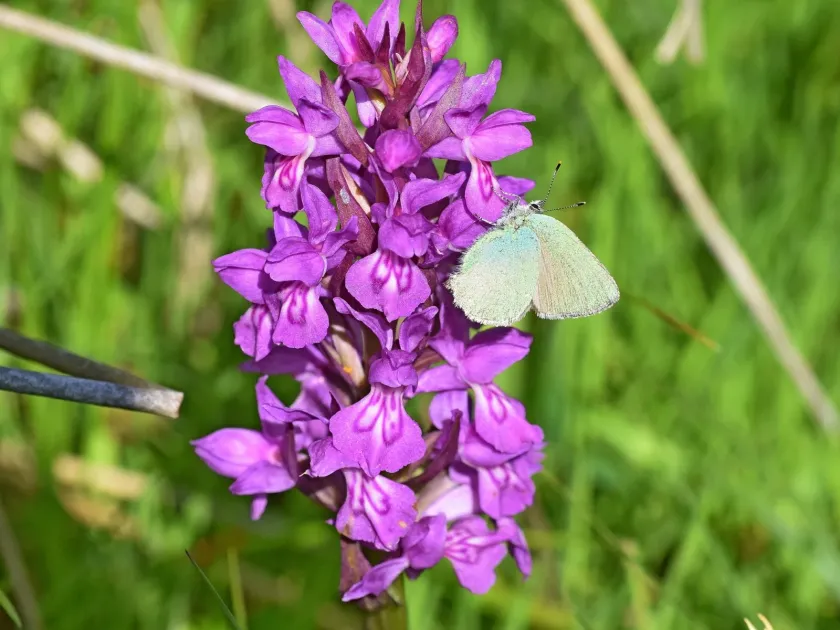
Dactylorhiza cordigera is a perennial herbaceous plant belonging to the Orchidaceae family. It is native to the mountain regions of Southeastern Europe, where it thrives in alpine and subalpine meadows and moist grassland habitats.
The plant has specific growth requirements that are difficult to replicate in standard agricultural settings. It necessitates moist but well-drained soils, typically with a neutral to slightly acidic pH level to ensure proper nutrient uptake.
A critical biological necessity for this orchid is the presence of symbiotic mycorrhizal fungi in the soil. Without this specific fungal association, the seeds cannot germinate and the root system cannot function correctly in a cultivated environment.
Botanically, it is characterized by its palmate root tubers which store carbohydrates for the dormant season. The aerial part consists of a leafy stem culminating in a dense inflorescence of purple-pink or violet flowers.
Given its specialized needs and conservation status in many regions, this plant is not grown as a standard commercial crop. Its cultivation is mostly restricted to specialized botanical collections, research facilities, or conservation-focused horticulture.
Main diseases and pests
The primary threats to Dactylorhiza cordigera include fungal pathogens, particularly root rot, which is triggered by poor soil aeration or excessive moisture levels. Once the tubers start to decay, the plant is often impossible to save.
Pests such as slugs and snails represent a significant danger to the succulent foliage and flower buds during the growing season. Protecting the plants often requires physical barriers or manual removal rather than chemical pesticides.
Viral infections transmitted by sap-sucking insects can cause stunted growth and foliage deformation. Maintaining high phytosanitary standards is crucial for preventing the spread of these pathogens within a collection.
Environmental stressors, such as extreme temperature fluctuations or drought, can weaken the plant's resistance. Adequate moisture management is essential to keep the root environment stable throughout the year.
Nutrient deficiencies or improper soil chemistry often lead to chlorosis and physiological decline. Therefore, strict monitoring of the substrate composition is required to maintain the plant's health and prevent opportunistic disease outbreaks.