
Marsh Orchid
Dactylorhiza
Description
Growing requirements
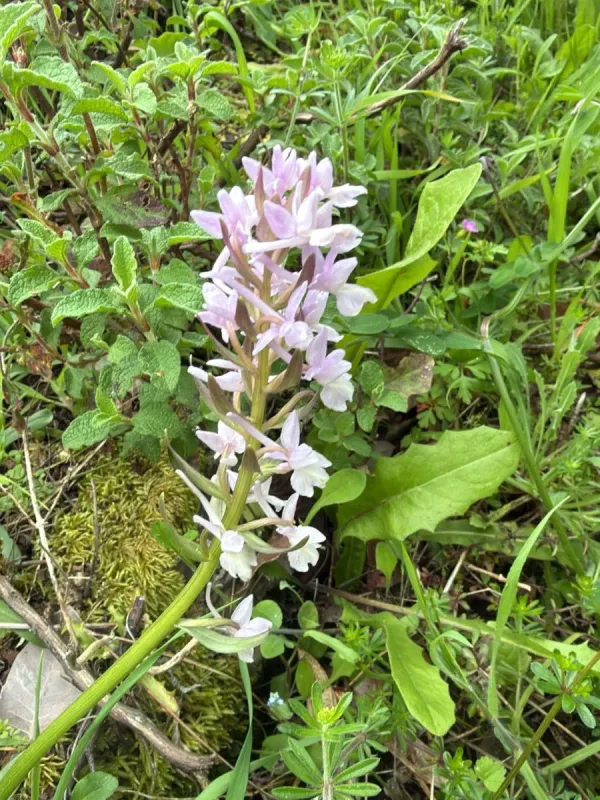
The Marsh Orchid (Dactylorhiza) is a genus of perennial plants belonging to the Orchidaceae family. These plants are widely distributed across the temperate regions of the Northern Hemisphere, typically thriving in damp meadows, fens, and open woodlands.
The defining botanical feature is the presence of palmate or finger-like root tubers, which give the genus its scientific name. Like many other orchids, it relies heavily on mycorrhizal fungi in the soil to germinate and absorb nutrients, making its cultivation complex.
The plant demands high levels of soil moisture throughout its growing season. It performs best in nutrient-rich, neutral to slightly acidic soils that remain moist but are not waterlogged, as excessive standing water can lead to the decay of the root system.
Climate requirements include a stable, temperate environment with consistent rainfall. The Marsh Orchid is generally shade-tolerant, preferring dappled sunlight rather than intense, direct exposure, which can cause leaf scorching and dehydrate the plant.
Historically, the tubers of this plant have been used to produce salep, a nutritious starchy powder. While it has applications in traditional medicine for its soothing properties, most wild species are now protected, and intensive commercial harvesting is strictly regulated.
Main diseases and pests
The primary threats include fungal pathogens that induce root and tuber rot, especially in poorly drained soils where aeration is insufficient. Maintaining a healthy soil environment is critical to preventing these infections.
Common pests include slugs and snails, which can cause significant damage to the foliage and flower stalks during the early spring growth phase. Occasional infestations of aphids may also occur, which further weaken the plant's structural integrity.