
Ventricose slipper orchid
Cypripedium ventricosum
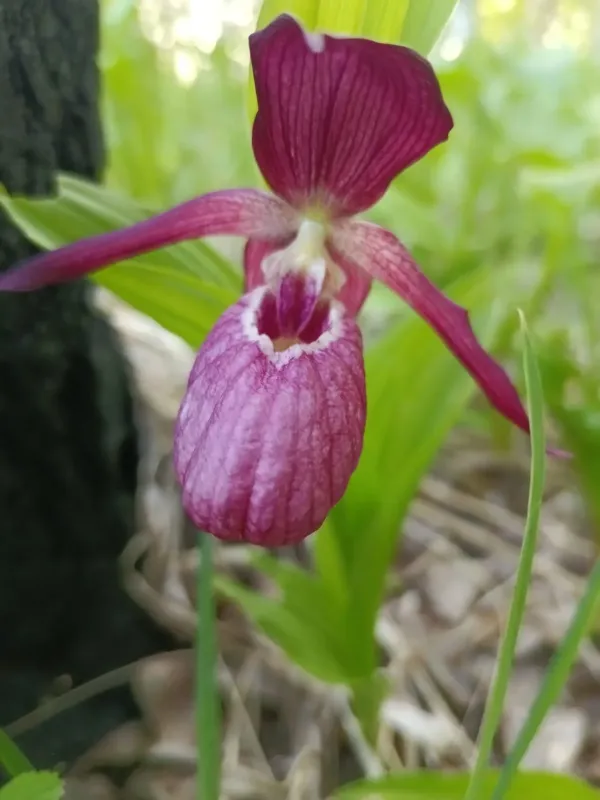
Description
Growing requirements
The ventricose slipper orchid (Cypripedium ventricosum) is a perennial plant belonging to the Orchidaceae family. It is recognized as a natural hybrid, exhibiting distinctive floral characteristics and high cold tolerance.
The native range of this species extends across Siberia, Mongolia, and Northern China. It thrives in forest environments, specifically in open deciduous woods and grassy slopes where the soil remains cool and moist.
To successfully cultivate this species, it is essential to provide well-drained, porous soil. A mix of leaf mold, grit, and perlite helps maintain the appropriate balance of nutrients and moisture, essential for root health.
The species prefers partial shade or dappled sunlight. Intense exposure to direct sunlight, particularly in warmer climates, can damage the foliage and cause premature wilting of the delicate flowers.
The orchid is hardy and well-adapted to regions with long, cold winters. In cultivation, it is crucial to ensure that the dormancy period is respected, providing a stable temperature range during the winter months.
Main diseases and pests
Fungal pathogens are the primary threat, particularly in soils with poor drainage. Rotting of the rhizome can occur if the substrate remains waterlogged for extended periods, leading to rapid plant decline.
Slugs and snails frequently target the emerging shoots in the spring. Protective barriers or organic bait can be used to mitigate the damage caused by these common garden pests to the foliage and buds.
Aphids can infest the flower stalks during the peak growing season. While generally not lethal, they can weaken the plant and reduce its aesthetic value if allowed to proliferate uncontrolled.
The orchid is susceptible to leaf spot diseases in environments with poor air circulation. Regular pruning of surrounding vegetation and ensuring proper spacing help in preventing these infections.
Soil-borne pests like larvae of various beetles can occasionally cause damage to the root system. Proper site preparation and the use of healthy, disease-free starting materials are recommended practices.