
Showy lady's slipper
Cypripedium reginae
Description
Growing requirements
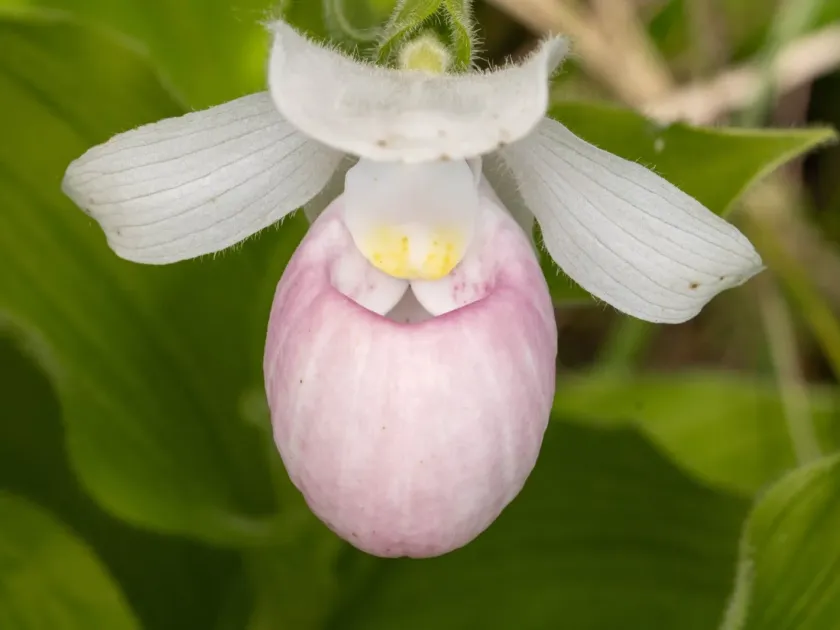
The Showy lady's slipper (Cypripedium reginae) is a perennial orchid belonging to the Orchidaceae family. Known as the largest and most spectacular hardy orchid in North America, it produces striking white and pink flowers on tall, sturdy stalks.
To successfully cultivate this orchid, one must select a location with dappled shade or indirect light. Full sun exposure should be strictly avoided as it will scorch the leaves and weaken the plant structure, leading to poor flowering performance.
The soil profile must be consistently moist yet exceptionally well-drained. A mix of leaf mold, perlite, and coniferous bark is ideal. Unlike many other plants, it thrives in neutral to slightly alkaline conditions, often requiring added lime or dolomite to maintain the pH balance.
A vital agronomical factor is the presence of symbiotic mycorrhizal fungi in the soil. These fungi are essential for the orchid's nutrient uptake, making the use of traditional chemical fertilizers detrimental to the plant's long-term survival.
In terms of climate requirements, this species is cold-hardy, thriving in USDA hardiness zones 3 through 7. It requires a distinct dormant period during the winter, which allows the plant to reset its growth cycle for the following spring season.
Main diseases and pests
Root rot is the most common threat, primarily caused by waterlogged soil conditions. Proper drainage is essential to prevent the crown and rhizomes from decaying during periods of heavy rainfall.
Slugs and snails are notorious pests that can cause significant damage by feeding on the lush foliage and emerging shoots. Protecting the plant with physical barriers or non-toxic traps is recommended during the early growing season.
Leaf spot diseases, which manifest as dark lesions on the foliage, can occur if humidity levels are too high and airflow is insufficient. Improving air circulation around the plants can effectively mitigate this issue.
Aphids may occasionally infest the developing buds, affecting the visual quality of the flowers. Careful inspection and manual removal or gentle insecticidal soap applications are preferred methods of management.
Mechanical injuries to the rhizomes during cultivation or weeding activities are major entry points for pathogens. Gardeners should exercise extreme caution when working near the root zone to prevent secondary bacterial infections.