
Smooth Slipper Orchid
Cypripedium laevigatum
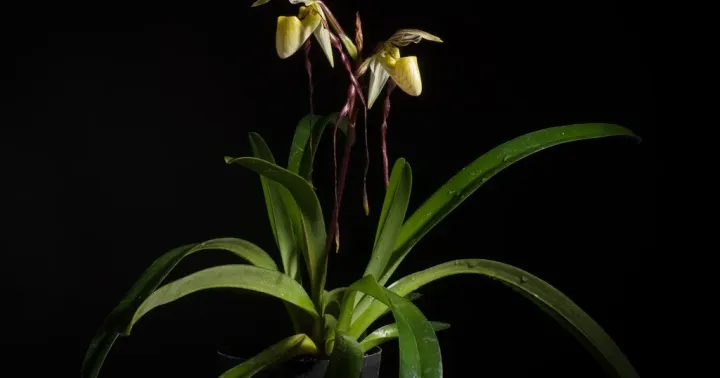
Description
Growing requirements
The smooth slipper orchid is a perennial herbaceous plant belonging to the Orchidaceae family. It is a highly specialized plant that requires careful attention to its environmental needs to thrive in a cultivated setting.
The ideal growing medium for this species should be loose, well-draining, and rich in organic matter. A mixture containing compost, leaf mold, and small amounts of perlite or pine bark works effectively.
These plants prefer shaded or semi-shaded locations. Exposure to intense, direct sunlight is detrimental, as it causes leaf scorch and creates a microclimate that is too dry for this woodland native.
Temperature stability is crucial for the root health of the smooth slipper orchid. Mulching the base of the plant helps maintain cool root temperatures and preserves necessary soil moisture throughout the season.
Watering must be meticulous; the soil should remain moist but never waterlogged. Ensuring proper drainage is the most critical factor in preventing the root rot that frequently plagues this genus.
Main diseases and pests
Fungal pathogens represent the most significant threat to this orchid, particularly species that exploit waterlogged, poorly aerated soil conditions to cause crown or root rot.
Slugs and snails are the most common pests, as they are attracted to the tender emerging shoots of the orchid, which can be entirely consumed if not managed properly.
Spider mites can become an issue in environments with low humidity, causing stippling on the leaves and overall reduction of the plant's photosynthetic capacity.
Preventive care involves regular inspection of the foliage and the application of non-invasive pest management strategies, such as physical barriers against mollusks.
Proper airflow is essential to keep fungal growth in check, as stagnant air in enclosed or crowded garden settings encourages the development of gray mold and other decay-causing fungi.