
Spotted slipper orchid
Cypripedium guttatum
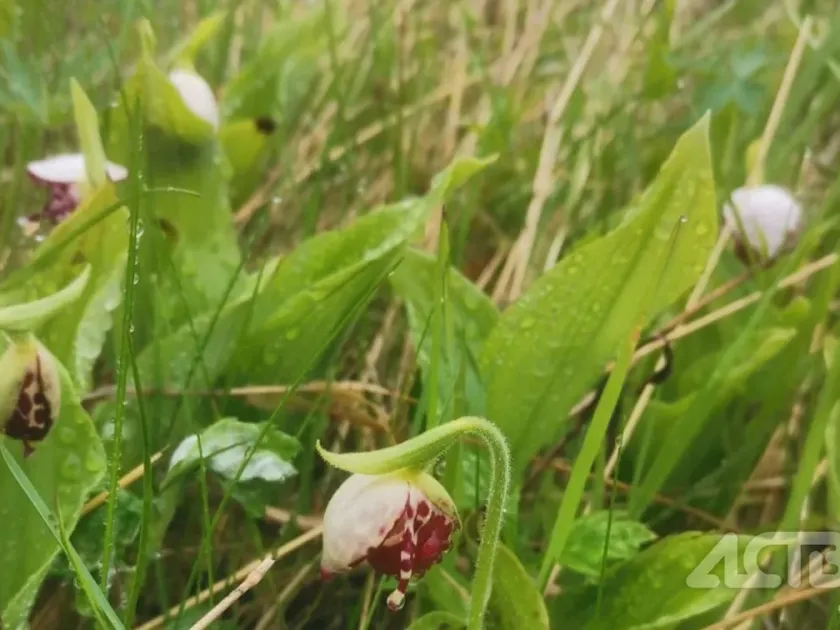
Description
Growing requirements
The Spotted slipper orchid (Cypripedium guttatum) is a hardy perennial belonging to the Orchidaceae family. It is native to the northern regions of Eurasia and North America, where it typically thrives in woodland habitats.
For successful cultivation, this species requires well-drained, humus-rich soil that mimics the environment of forest floors. A neutral to slightly acidic pH level is ideal for the healthy development of its rhizomes.
Botanically, it is recognized by its solitary flower, which features beautiful purple spots on a white background. The plant reaches a height of 15 to 30 centimeters and spreads slowly via a creeping rhizome.
Climatic requirements involve cool to moderate temperatures and protection from intense direct sunlight. It performs best in partial shade, where the humidity levels remain stable throughout the growing season.
Agrotechnical practices focus on surface mulching with leaf litter, which helps maintain moisture and protects the root system from rapid temperature fluctuations during the transition between seasons.
Main diseases and pests
The primary threat to the Spotted slipper orchid is fungal rot caused by overwatering or poor soil drainage. Keeping the root zone airy is the most important factor in preventing these infections.
Garden pests such as slugs and snails are highly attracted to the tender foliage during the early spring. Regular monitoring and physical barriers are recommended to prevent excessive damage to the leaves.
Aphids can occasionally infest the flower buds during periods of prolonged heat. Implementing eco-friendly insect control methods ensures the health of the plant without harming beneficial soil microorganisms.
Soil-borne pathogens can be a major issue if the substrate is too compact or rich in uncomposted organic matter. Sterilizing the planting medium can help mitigate risks during the initial stages of establishment.
Lack of winter dormancy can severely weaken the plant. It is essential to allow the orchid to experience its natural seasonal cycle to ensure reliable blooming in the following year.