
Yellow lady's slipper
Cypripedium flavum
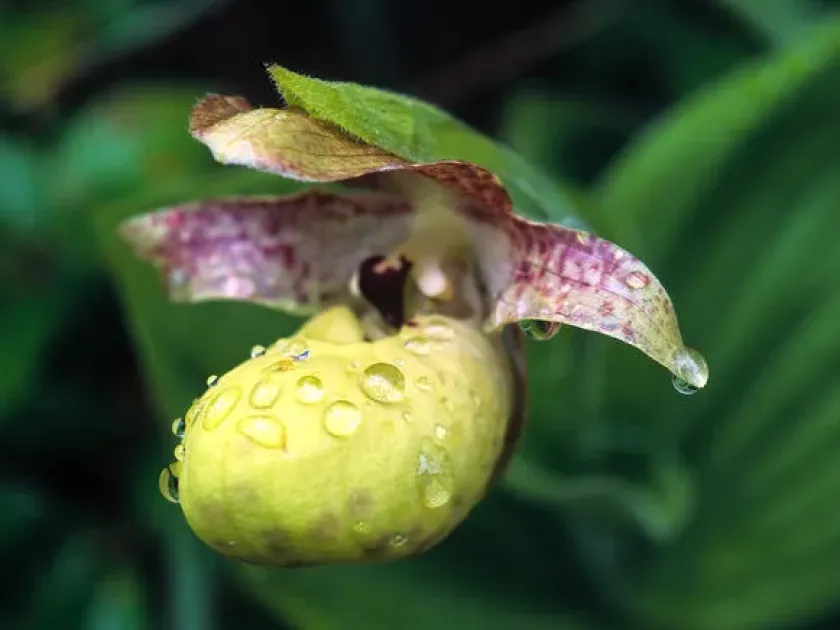
Description
Sowing dates
Propagating Cypripedium flavum from seed is a highly specialized process requiring symbiotic fungi, as the seeds lack endosperm. In commercial production, this is done in sterile laboratory environments using agar culture media.
Most gardeners prefer vegetative propagation by dividing established clumps. The ideal time for this procedure is early spring or autumn when the plant is in a state of dormancy, ensuring minimal shock to the root system.
During division, each section must contain at least one healthy growth bud and a substantial amount of fibrous roots. It is crucial to handle the brittle rootstock with extreme care to avoid damaging the dormant buds.
When planting, ensure the bud is positioned shallowly, approximately 2–5 centimeters below the soil surface, pointing upward. Proper depth is essential to ensure the shoot can emerge efficiently without excessive energy expenditure.
Established divisions typically take a few seasons to recover their vigor. Once successfully settled, the plant forms a stable root network, eventually producing the iconic yellow flowers characteristic of the species.
Growing requirements
The yellow lady's slipper (Cypripedium flavum) is a member of the Orchidaceae family. It is native to the mountainous regions of China, where it thrives in rocky, well-draining forest slopes and shaded habitats.
For successful cultivation, the soil must be light, airy, and rich in organic matter. A mixture of leaf mold, perlite, pine bark, and crushed limestone provides an ideal environment that mimics their natural mountain soil conditions.
The species requires partial shade, as direct sunlight can easily dehydrate the plant and burn its foliage. A site with protection from the intense afternoon sun is highly recommended for optimal health.
Moisture control is a critical aspect of orchid care. The soil should remain consistently damp but never waterlogged. Excellent drainage is non-negotiable to prevent root asphyxiation and the development of pathogens.
The plants prefer cool, temperate conditions with high air circulation. They are sensitive to extreme heat and humidity, which makes placement in the garden a strategic decision for any collector or professional gardener.
Main diseases and pests
Root rot is the most common threat to Cypripedium flavum, usually resulting from poor drainage or excessive watering. Once the rootstock begins to decay, recovery of the plant is rarely successful.
Slugs and snails are the primary pests that damage the foliage and flowers. Because these orchids are slow-growing, a single infestation can set back the plant's development by several seasons.
Fungal leaf spots can occur when air circulation is poor or humidity is too high. Maintaining adequate spacing between plants helps minimize the risk of spreading infections in a garden setting.
Aphids and mites may occasionally attack during periods of drought or plant stress. Regular monitoring of the foliage and quick intervention with suitable horticultural soaps can prevent major infestations.
Competition from aggressive weeds can easily smother these delicate orchids. Regular manual weeding around the plant base is necessary, but must be done with extreme caution to avoid damaging the shallow root system.