
Weak lady's slipper
Cypripedium debile
Description
Growing requirements
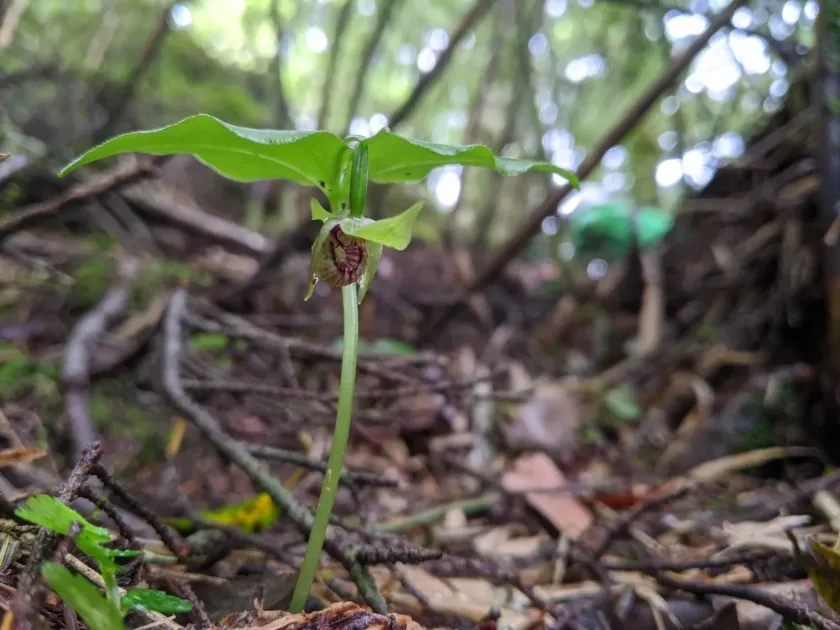
The weak lady's slipper (Cypripedium debile) is a delicate herbaceous perennial belonging to the Orchidaceae family. It is a unique species native to the mountainous woodland regions of East Asia, primarily found in Japan and parts of China.
For successful cultivation, the plant requires a location with consistent deep shade. Direct exposure to intense sunlight is detrimental to its foliage and should be avoided to prevent thermal stress and wilting of the leaves.
The ideal growing medium is a loose, moisture-retentive, yet highly draining soil mixture. Enthusiasts typically use a combination of leaf mold, forest litter, and inorganic drainage materials like perlite or fine gravel to mimic the natural floor of a forest.
Environmental stability is the cornerstone of its care. The species thrives in cool temperatures with high atmospheric humidity, making it challenging to maintain in regions with hot, dry summers without special climate control systems.
Due to its specialized ecological niche, the weak lady's slipper is primarily utilized in botanical gardens and private orchid collections. It is rarely used in commercial landscaping due to its slow growth rate and specific maintenance demands.
Main diseases and pests
Root rot is the most significant physiological threat to Cypripedium debile. It occurs primarily due to poor drainage or overly frequent irrigation, which deprives the roots of necessary oxygen during the growing season.
Gastropods, including slugs and snails, are highly attracted to the fresh green growth of the plant. They can inflict extensive damage in a single night, necessitating the use of perimeter barriers or manual collection.
Fungal infections can spread rapidly in stagnant air conditions. Improving ventilation around the planting site is an essential management practice to reduce the incidence of leaf spot and other humidity-related pathogens.
Spider mites are known to infest the plant during spells of low humidity. These pests cause yellowing and stippling of the leaves, which significantly reduces the plant's photosynthetic capacity and overall vigor.
To ensure long-term plant health, cultivators should avoid using heavy chemical fertilizers. Nutrient deficiencies should be managed through soil amendments, ensuring the plant remains robust enough to resist common pests and diseases.