
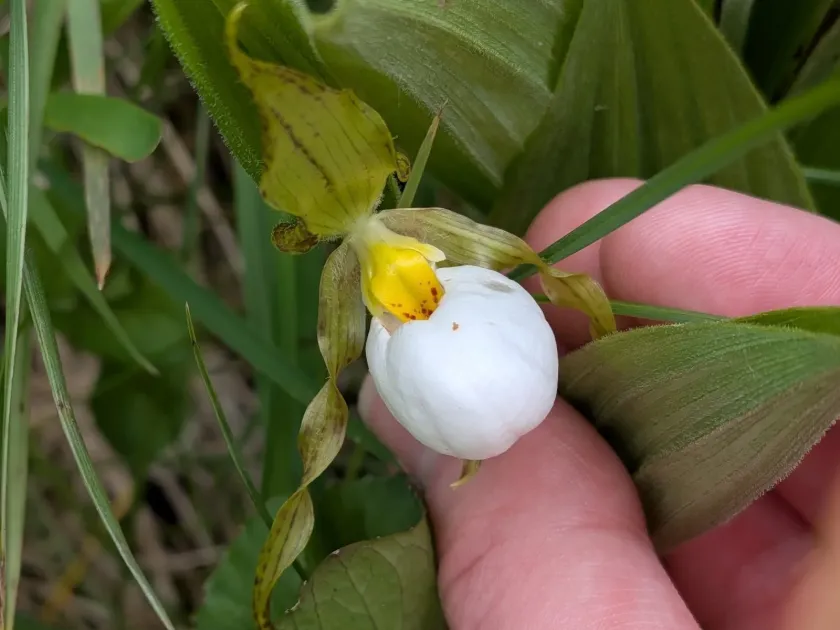
Small white lady's slipper
Cypripedium candidum
Description
Growing requirements
The Small white lady's slipper (Cypripedium candidum) is a herbaceous perennial plant belonging to the family Orchidaceae. This species is native to North America, typically found in calcareous fens and moist prairies.
The plant requires high levels of solar radiation but prefers locations where it is protected from the harshest direct midday sun, which can dehydrate its foliage.
The ideal substrate for this culture is a well-drained medium containing significant amounts of calcium and organic material, with a pH level ranging from neutral to slightly alkaline.
Climate requirements include a distinct period of winter dormancy with temperatures dropping below zero to ensure the plant successfully completes its developmental cycle.
Economic utilization is restricted to specialized horticulture and the conservation of biodiversity in botanical collections, as it is not a commercial agricultural crop.
Main diseases and pests
Fungal diseases are the primary threat to the Small white lady's slipper, often triggered by excessive soil moisture and poor airflow around the basal part of the plant.
Gastropods, such as slugs and snails, are the most significant pests, capable of inflicting severe damage on the leaves and emerging buds during the active growing season.
Spider mites can become a persistent issue, especially when the plant is kept in environments with low relative humidity, leading to leaf discoloration and decline.
Root rot, caused by poor drainage or overwatering, remains the most frequent cause of mortality in cultivated specimens of this species.
Competition from aggressive native vegetation or weeds can lead to the suffocation of these sensitive orchids, making regular weeding an essential maintenance task.