
Yellow lady's slipper
Cypripedium calceolus
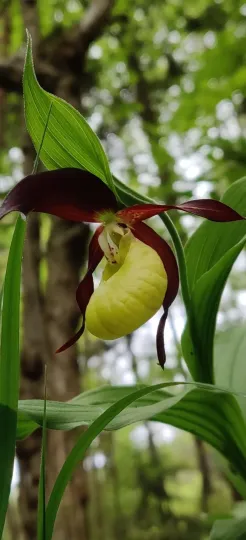
Description
Sowing dates
The yellow lady's slipper, a member of the Orchidaceae family, presents significant challenges for propagation. Its seeds are minute and lack food reserves, necessitating a symbiotic relationship with mycorrhizal fungi for successful germination.
Professional propagation typically occurs under laboratory conditions. Seeds are cultivated on specialized nutrient media using in vitro techniques, bypassing the natural requirement for specific fungal partners during the initial stages.
Vegetative propagation is the most common method in horticultural settings. This involves the careful division of the rhizome system, ensuring that each segment contains viable growth buds for the upcoming season.
Timing for division is critical and is best performed during the dormancy phase, either in early spring or late autumn. Extreme caution must be taken to minimize trauma to the sensitive root structure.
When transplanting, gardeners must maintain the integrity of the root mass and avoid burying the growth buds too deeply, as this can prevent proper shoot development and lead to rotting.
Growing requirements
This orchid thrives in partial shade conditions, mimicking the environment of forest floors. Direct sunlight should be avoided to prevent foliar damage and plant desiccation.
Soil requirements include excellent drainage and a neutral to alkaline pH. Incorporating limestone chips into the substrate is a recommended practice to provide the essential calcium content the species requires.
Consistent, moderate soil moisture is required for healthy growth. While the plant needs water, it is highly sensitive to waterlogged conditions, which lead to root asphyxiation and eventual plant decline.
The species is quite winter-hardy and adapts well to temperate climates. However, in colder regions, a light mulch can protect the rhizomes from extreme temperature fluctuations during the dormant period.
The plant is not a heavy feeder and performs best in substrates that simulate wild conditions. Over-fertilization can disrupt the delicate mycorrhizal balance required for long-term health.
Main diseases and pests
Root rot, induced by excess moisture or poor drainage, remains the primary threat to the yellow lady's slipper. Once the rhizome begins to decay, the entire plant is often difficult to save.
Gastropods, including slugs and snails, are frequent pests that cause significant damage to emerging spring shoots. These should be monitored closely, especially during periods of wet weather.
Aphids can infest the foliage, particularly in sheltered growing areas. When treatment is necessary, horticultural soaps or other eco-friendly interventions are preferred over harsh chemical pesticides.
The plant is susceptible to competition from more aggressive weed species. Regular manual weeding is essential to prevent the orchid from being choked out or deprived of necessary resources.
Vulnerability to pathogens often increases when the plant is under stress from improper environment. Maintaining stable, consistent growing conditions is the best defense against pests and diseases.