
Cycnoches
Cycnoches Lindl.
Description
Growing requirements
Cycnoches (Cycnoches Lindl.) is a genus of epiphytic plants belonging to the Orchidaceae family. Native to the tropical regions of Central and South America, these orchids typically inhabit warm, humid forest environments.
Botanically, the plant is characterized by its elongated, spindle-shaped pseudobulbs which store nutrients for the growth cycle. The genus is famous for its distinct seasonal behavior, requiring a clear rest period during which the plants lose their leaves.
The cultural requirements are strict: they demand high humidity levels, ideally between 70% and 80%, and warm temperatures during the active growing season. Adequate airflow is crucial to prevent moisture-related problems around the foliage.
Cultivation should take place in a well-draining epiphyte substrate, such as a mix of fir bark, charcoal, and perlite. The pots must allow for rapid drainage to ensure the roots do not remain saturated for too long.
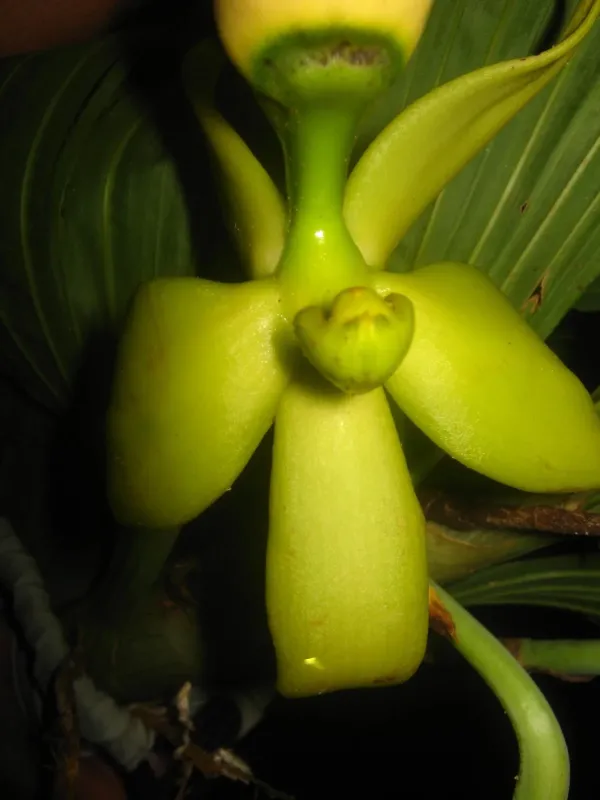
Cycnoches are primarily used as ornamental plants in private collections and botanical gardens. They are highly sought after due to their unique, swan-like flowers and strong, sweet fragrance produced by many species in the genus.
Main diseases and pests
Spider mites are the most common pests, particularly when indoor humidity levels drop too low. Frequent misting or the use of humidifiers helps in creating an environment that is unfavorable for mite colonization.
Fungal and bacterial rots are significant threats, often triggered by water getting trapped in the crowns or new growths. Proper watering practices, such as applying water directly to the substrate, significantly reduce infection risks.
Mealybugs can be problematic, as they often hide in the crevices of the pseudobulbs. Regular monitoring and the application of horticultural oils or systemic insecticides are effective measures to keep them away.
Viral infections are irreversible and necessitate the immediate isolation of infected plants. Using sterilized tools for any pruning work is the most critical step in preventing the spread of pathogens between specimens.
Finally, environmental stress due to sudden temperature drops or lack of light during the growing phase can weaken the plant. A weakened Cycnoches is much more prone to opportunistic pests and secondary infections.