
Arachnis labrosa
Arachnis labrosa
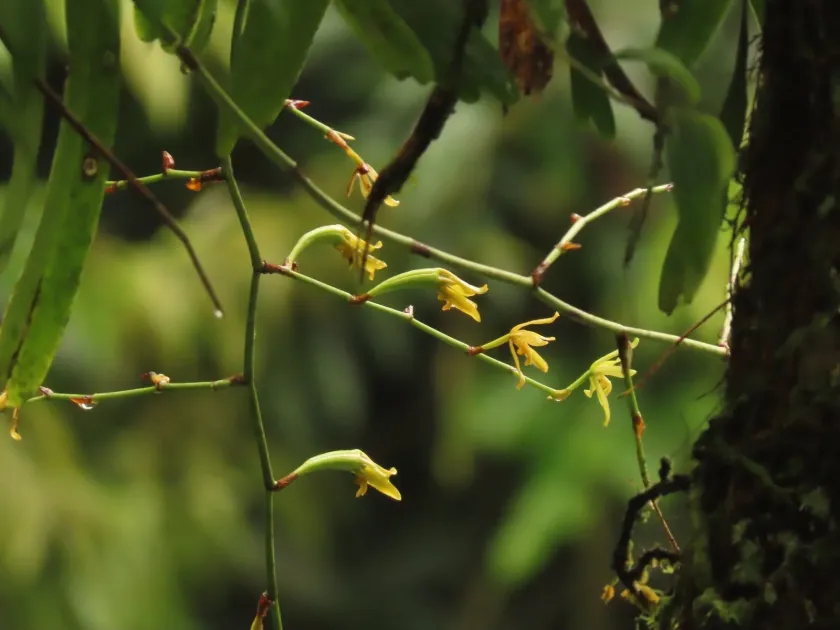
Description
Sowing dates
Arachnis labrosa is typically propagated through stem cuttings rather than seeds due to the long and complex germination cycle of orchids. Cuttings should be taken from healthy, mature plants that exhibit vigorous growth.
The best time to propagate this species is during the early spring when the plant enters its active growth phase. This ensures that the cuttings have enough energy stored to establish a new root system efficiently.
Each cutting must contain at least two or three healthy nodes and preferably some existing aerial roots. Placing the cuttings in a specialized orchid medium facilitates better development and aeration.
After potting, the plants need to be placed in a warm, humid environment away from direct, harsh sunlight. Consistent monitoring of the moisture level is crucial during the first few weeks of rooting.
Proper support is necessary for these orchids as they grow, so stakes should be introduced early in the potting process. This helps maintain the plant's structural integrity as it climbs.
Growing requirements
Belonging to the Orchidaceae family, Arachnis labrosa is a tropical epiphyte that thrives in warm, humid climates. It requires consistent temperatures between 22 and 30 degrees Celsius to flourish.
High light levels are essential for the production of flowers, but the plant must be protected from direct noon sunlight, which can burn the leaves. Filtered light is the most appropriate for these orchids.
Humidity must be kept high, ideally above 70 percent. In greenhouse settings, automated misting systems are the most effective way to maintain these levels throughout the day.
The root system requires an extremely well-draining medium. A mix consisting of large-grade bark, charcoal, and perlite provides the necessary airflow that these orchids demand to prevent rot.
Watering should be done thoroughly but infrequently enough to allow the medium to partially dry out. Using high-quality, mineral-low water prevents salt buildup around the sensitive root zones.
Main diseases and pests
The primary pests affecting Arachnis labrosa are mealybugs, spider mites, and scale insects. These pests often congregate on the undersides of leaves or in the crevices of the stem, sucking sap and weakening the plant.
Fungal infections, such as black rot or leaf spot, are common in environments with poor air circulation or excessive moisture. These diseases can spread rapidly if not addressed immediately.
Root rot remains the most common issue for hobbyist growers, usually resulting from stagnant water in the pot. It is characterized by dark, mushy roots and a general decline in the plant's health.
Integrated pest management, including the use of neem oil or targeted insecticides, is recommended for controlling outbreaks. Sanitation is paramount; cleaning the leaves periodically helps deter pests.
Providing adequate airflow around the plant is the most effective preventative measure against both pests and fungal pathogens. Regular inspection is essential for early detection.