
Arachnis flos-aeris
Arachnis flos-aeris
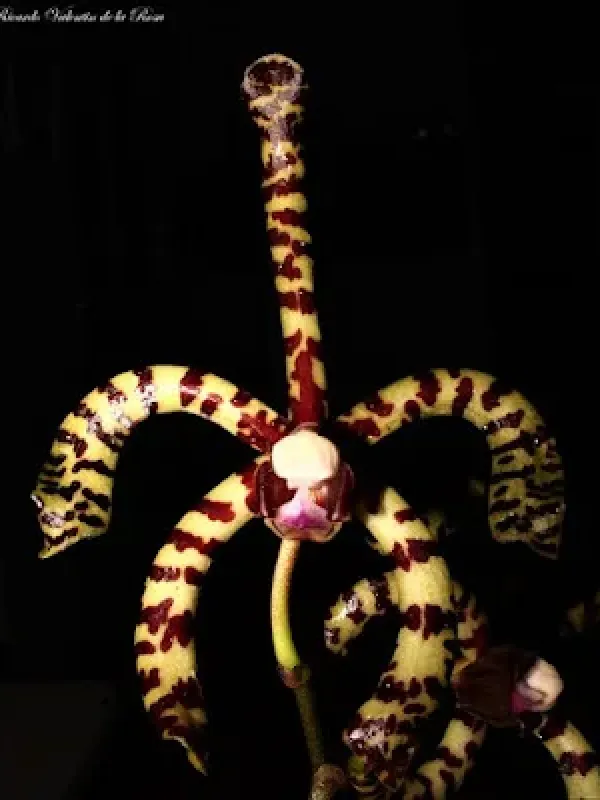
Description
Growing requirements
Arachnis flos-aeris, commonly known as the spider orchid, is an epiphytic plant belonging to the Orchidaceae family. It is native to the tropical regions of Southeast Asia, where it thrives in humid environments clinging to tree branches.
The plant requires high humidity levels and constant temperatures ranging between 22°C and 30°C for optimal growth. As an epiphyte, it demands a significant amount of light and, in controlled agricultural settings, often requires supplemental lighting.
The growing medium must provide excellent air circulation for the roots. Commonly used substrates include chunks of bark, charcoal, or specialized coarse mixtures that allow water to pass through quickly without waterlogging the root system.
Agricultural management involves a consistent watering schedule where the roots are allowed to dry slightly between irrigation cycles. High levels of air moisture are maintained through misting systems or automated greenhouse humidifiers.
Nutrient supplementation is performed using balanced orchid fertilizers. These are typically applied at diluted concentrations during the active growing season to support the development of robust stems and long-lasting inflorescences.
Main diseases and pests
Common pests affecting Arachnis flos-aeris include mealybugs and scale insects. These pests cluster in the leaf axils, necessitating routine inspections and the application of appropriate contact or systemic insecticides.
Fungal rots, specifically stem and root rot, are the most frequent threats caused by poor ventilation and excessive moisture. Improving air movement within the facility is essential to mitigate these risks effectively.
Spider mites represent a risk, particularly in environments where humidity levels are not consistently maintained at high levels. Regular monitoring and preventive application of miticides keep populations under control.
Viral diseases, often characterized by mosaic patterns on the leaves, pose a severe threat to commercial orchid crops. Infected plants should be promptly isolated and destroyed to prevent the spread to healthy stock.
Strict hygiene protocols are required during pruning and repotting. Using sterilized cutting tools and clean substrates is a fundamental agricultural practice to prevent the transmission of pathogens between plants.