
Arachnis cathcartii
Arachnis cathcartii
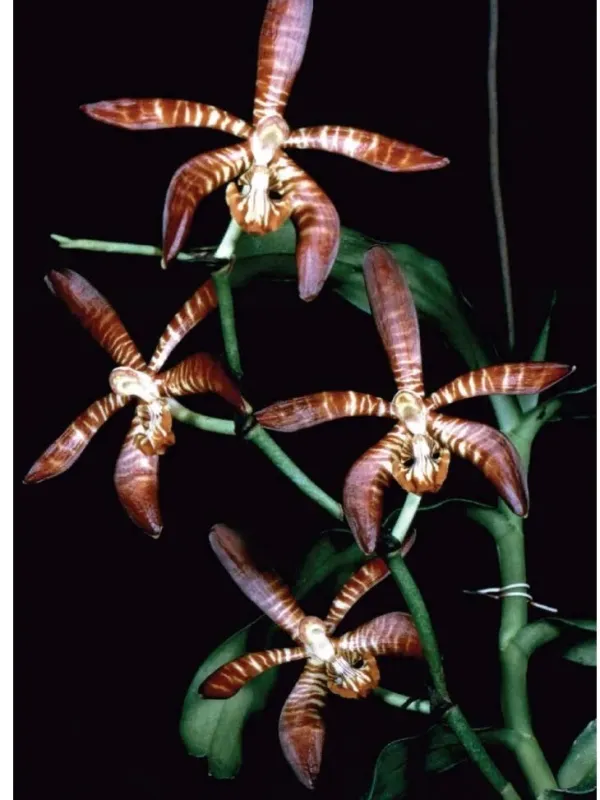
Description
Growing requirements
Arachnis cathcartii is a magnificent epiphytic orchid species belonging to the Orchidaceae family. Its natural origin is rooted in the Himalayan foothills, specifically within the humid, high-altitude forests of Nepal, India, and Bhutan, where it thrives in canopy environments.
Botanically, this species is defined by its monopodial growth habit, featuring long stems adorned with leathery leaves arranged in a distichous pattern. The inflorescences are distinct, producing striking, large flowers with a complex pattern that mimics the appearance of a spider.
The climate requirements for this culture are specific, demanding stable warm temperatures with a slight drop at night to simulate its native mountain habitat. High atmospheric humidity, ranging from 70 percent to 80 percent, is essential to sustain the plant's metabolic processes throughout the year.
Cultivation requires a well-aerated, coarse substrate, typically consisting of orchid bark, charcoal, and perlite or sphagnum moss. This composition ensures that the aerial roots receive sufficient oxygen while retaining enough moisture to prevent desiccation.
Proper light management is critical for the development of Arachnis cathcartii. It requires bright, filtered light to flourish, as direct sunlight can cause rapid leaf scorch, while insufficient light will consistently prevent the plant from producing its elaborate blooms.
Main diseases and pests
The primary threats to Arachnis cathcartii in a greenhouse setting involve fungal infections resulting from poor ventilation and excessive moisture. Root rot is particularly devastating, as it can compromise the entire plant before visible symptoms appear on the leaves.
Pests such as spider mites, aphids, and scale insects frequently attack this species. These parasites sap nutrients from the leaves, leaving the plant susceptible to secondary bacterial pathogens which can rapidly rot the stem base.
Effective management includes maintaining a hygienic growing area and inspecting plants regularly for early signs of infestation. The use of systemic pesticides should be carefully regulated to avoid chemical stress on the sensitive root system of the orchid.
Mechanical control, such as manual removal of insects and pruning of decaying tissues, remains the safest approach for hobbyists. Regular application of preventative biological agents can also strengthen the plant's natural resistance to environmental stress.
Environmental stability is the ultimate defense against diseases. By ensuring that temperature, humidity, and light are consistent with the plant's needs, growers can significantly reduce the risk of biological threats and ensure a long lifespan for their collection.