
Anacamptis sancta
Anacamptis sancta
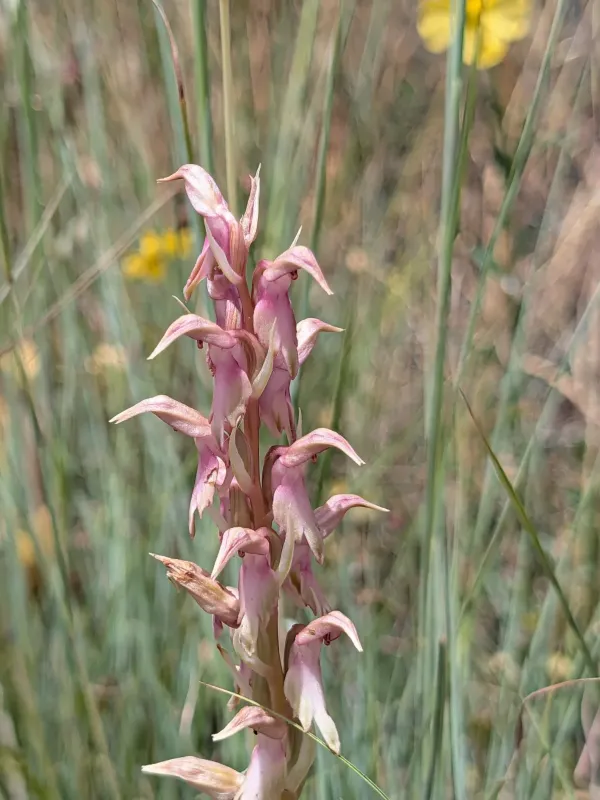
Description
Growing requirements
Anacamptis sancta is a perennial herbaceous plant belonging to the Orchidaceae family. While not an agricultural commodity, it is highly valued in botanical conservation and ecological research for its unique life cycle.
The native distribution area of this species is primarily concentrated in the Eastern Mediterranean, including regions across Turkey, Cyprus, and various Greek islands. It thrives in open, sunny habitats characterized by calcareous substrate.
Soil requirements for this species are specific and demanding, requiring excellent drainage and alkaline pH levels. Heavy soils that retain excessive moisture are fatal to the plant, as they inhibit the necessary aeration of the root system.
Regarding climatic needs, the plant is adapted to a Mediterranean regime with cool, wet winters followed by hot, dry summers. This seasonal cycle is essential, as the plant undergoes a dormant phase during the peak of summer heat.
Propagation is strictly dependent on the presence of symbiotic mycorrhizal fungi in the soil. These fungi provide the necessary nutrients for seed germination, a factor that makes traditional cultivation techniques inapplicable to this species.
Main diseases and pests
The primary threats to Anacamptis sancta are driven by habitat loss and fragmentation. Agricultural expansion and urbanization continue to shrink the areas where this orchid can naturally occur.
Pathological risks include various root rots, which are often exacerbated by poor drainage or stagnant water conditions. The plant's dependency on specific fungi makes it susceptible to any disturbance in the soil microbiome.
Pests, particularly gastropods such as slugs and snails, pose a significant risk to the plant's succulent foliage and developing floral stalks. These herbivores can rapidly destroy an entire patch of orchids in a short period.
Effective pest management is complicated by the fragility of the plant's mycorrhizal association. Standard synthetic pesticides often destroy the symbiotic fungi, essentially killing the plant's support system.
Conservation strategies focus on the protection of sites and the prevention of illegal harvesting. Promoting the health of the local ecosystem is the only way to ensure the survival of this rare species in its natural environment.