
Anacamptis pseudolaxiflora
Anacamptis pseudolaxiflora
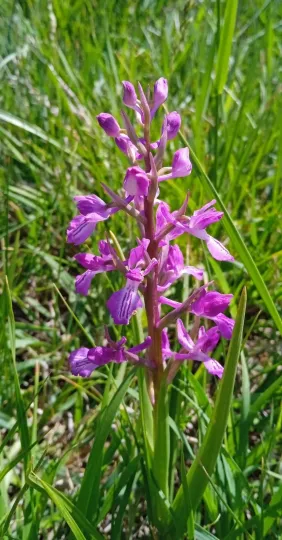
Description
Growing requirements
Anacamptis pseudolaxiflora is a perennial herbaceous plant belonging to the Orchidaceae family. It is typically found in habitats characterized by high soil moisture, such as wet meadows and riverbanks, where it thrives in sunlight.
The plant requires neutral to slightly alkaline, nutrient-rich soils that provide excellent drainage while maintaining constant humidity. It is a highly specialized species that relies on symbiotic relationships with mycorrhizal fungi for nutrient uptake, especially during its early growth stages.
In terms of climate, it prefers regions with moderate temperatures and does not tolerate prolonged frost without adequate snow cover. The root structure consists of two tubers that store essential nutrients, allowing the plant to remain dormant during unfavorable seasons.
Cultivation is extremely difficult due to the plant's sensitivity to environmental changes and its reliance on specific soil micro-organisms. Commercial attempts to grow this species are generally discouraged to protect wild populations, as it is often considered a rare or protected orchid.
Historically and economically, the tubers of this species have been harvested to produce 'salep', a flour-like substance rich in mucilage. This product is highly valued in pharmaceutical and culinary applications as a thickener and nutritional supplement.
Main diseases and pests
The primary threats to this plant are fungal diseases, particularly root rots triggered by waterlogged conditions and poor air circulation. Leaf spot diseases caused by various pathogens can also spread rapidly in crowded environments.
Pest management is focused on controlling slugs and snails, which can decimate young shoots during the growing season. Soil-dwelling pests like nematodes may also damage the root tubers, leading to a decline in the plant's overall health and vitality.