
Green-winged orchid
Anacamptis morio
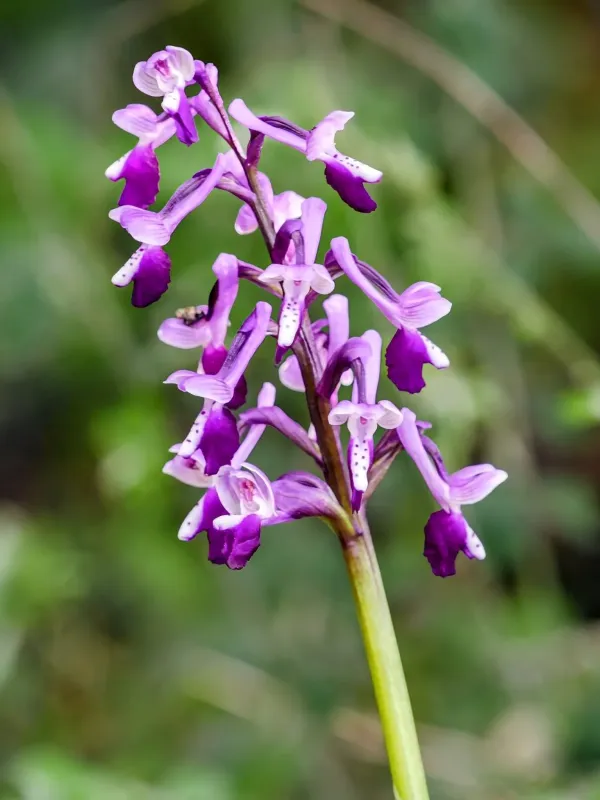
Description
Growing requirements
The Green-winged orchid (Anacamptis morio) is a perennial herbaceous plant belonging to the Orchidaceae family. It is typically found across Europe, Western Asia, and North Africa, where it thrives in open meadows and grasslands with moderate moisture.
Successful growth of this plant depends heavily on soil composition. It prefers well-drained, neutral to slightly alkaline soils. Crucially, the presence of specific mycorrhizal fungi is essential, as the orchid relies on these symbionts to absorb nutrients from the soil.
The climate requirements include a preference for temperate zones with consistent sunlight. The plant is sensitive to significant nitrogen levels, which can disrupt the symbiotic relationship with fungi and weaken the plant's natural health.
Botanic characteristics feature a pair of underground tubers that store nutrients for dormancy and regeneration. These tubers are the primary source of starch and mucilage, which have historical significance in traditional pharmacological practices.
In terms of agricultural or utilitarian value, the plant is historically associated with the production of salep. This fine powder is obtained from the processed tubers and is prized for its thickening properties and nutritional value in various culinary traditions.
Main diseases and pests
Root rot represents the primary disease concern for Anacamptis morio. This is usually triggered by waterlogging and poor soil aeration, which favor the spread of pathogenic fungi that destroy the root tubers.
Pests, particularly gastropods like slugs and snails, cause significant damage by feeding on the tender shoots and leaves. In high density, these pests can prevent a plant from successfully blooming during the growing season.
Habitat degradation is the most severe long-term threat. The conversion of natural meadows into intensively farmed agricultural land, combined with the use of heavy fertilizers, destroys the delicate fungal network the orchid depends on.
Improper land management, such as the total cessation of traditional mowing or grazing, leads to scrub encroachment. This shades out the orchid and eventually forces it out of the meadow ecosystem.
Conservation efforts are necessary to protect the species. This includes maintaining traditional meadow management practices that keep the vegetation structure suitable for this sun-loving and space-sensitive plant.