
Loose-flowered orchid
Anacamptis laxiflora
Description
Growing requirements
The Loose-flowered orchid (Anacamptis laxiflora) is a perennial herbaceous plant belonging to the Orchidaceae family. It is characteristic of wetlands, damp meadows, and marshy grasslands where the moisture levels remain consistent throughout the growing season.
The distribution of this species spans from Western Europe and the Mediterranean to the Caucasus. It thrives in soils that are chemically neutral or slightly alkaline, typically characterized by high levels of organic matter and good water retention capacity.
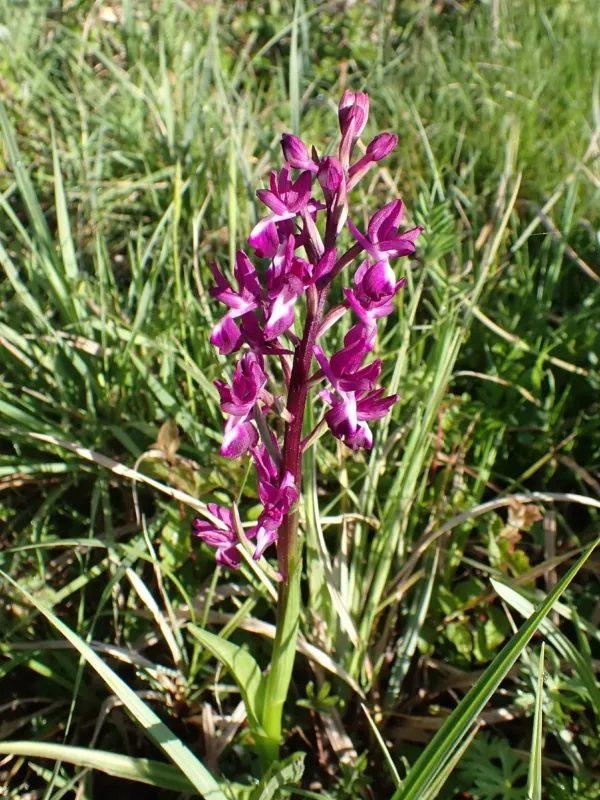
Botanically, the plant features a robust stem that can reach up to 80 cm in height, topped with an elongated inflorescence consisting of loose, deep purple-red flowers. The underground part consists of paired ovoid tubers, which are typical for many orchids in this group.
Cultivation requirements involve maintaining a high water table and protecting the plants from intense competition with more aggressive grass species. Providing a semi-open habitat with plenty of ambient light is essential for the healthy development of its root system.
Although it is not a traditional field crop, the species is highly valued in environmental restoration projects. Its ability to serve as a bio-indicator for healthy, undisturbed wetlands makes it a priority for conservationists working on landscape management.
Main diseases and pests
The primary threats to the species involve the destruction of its natural habitat through agricultural land reclamation and the drainage of marshes. Once the hydrological cycle is disrupted, the delicate balance between the orchid and its symbiotic mycorrhizal fungi is lost.
Regarding pest and disease pressure, the plant is susceptible to fungal infections of the tubers if the soil becomes waterlogged or stagnant in cool conditions. Furthermore, invertebrate pests such as slugs and snails pose a threat to young foliage in the spring.