
Heliconia chartacea
Heliconia chartacea
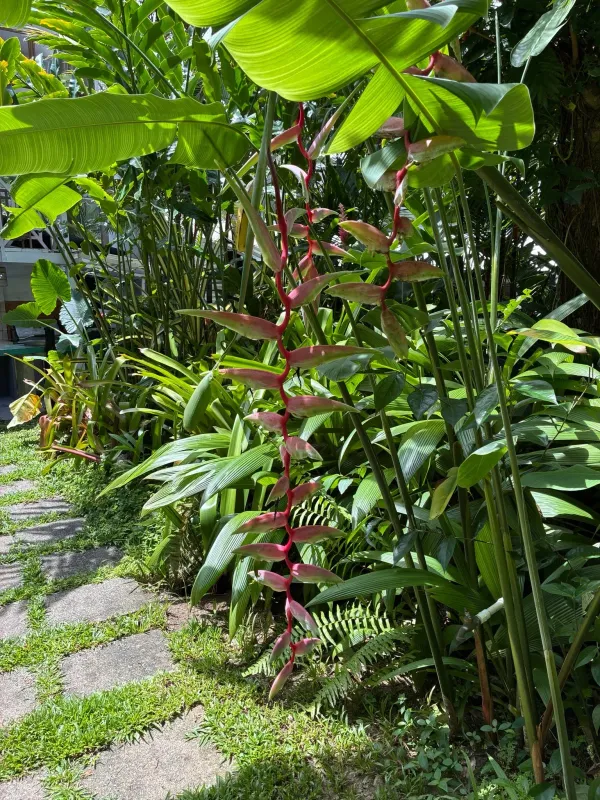
Description
Sowing dates
Heliconia chartacea is a perennial tropical plant belonging to the Heliconiaceae family. In commercial production, it is typically propagated through the division of rhizomes to ensure genetic uniformity and faster establishment of the plantation.
The ideal planting time aligns with the beginning of the rainy season to capitalize on naturally high humidity. In climate-controlled greenhouses, planting can take place throughout the year, provided temperatures remain above 20°C.
Rhizomes should be planted in well-drained trenches or individual containers with nutrient-rich, organic soil. Proper spacing, typically 1.5 to 2 meters apart, is crucial for air circulation and light penetration.
Seed propagation is possible but is a lengthy process that can take up to six months. Seeds require scarification and stable, high-heat conditions to break dormancy and trigger successful germination.
Careful site selection is essential, as the plant needs protection from strong winds that can shred its large, delicate leaves and damage the impressive, hanging inflorescences.
Growing requirements
This species demands a high-humidity environment, ideally exceeding 75%. If humidity drops too low, the leaf margins will brown, significantly reducing the aesthetic value of the plant for the cut-flower market.
Soil requirements include high organic matter content, excellent drainage, and a slightly acidic pH (5.5–6.5). The substrate should remain moist but never waterlogged to prevent root system suffocation.
Regular fertilization is vital, with a focus on balanced NPK ratios during vegetative growth and increased potassium during the flowering stage to enhance the vibrancy and size of the bracts.
Consistent watering is necessary throughout the year. In dry periods, frequent misting or overhead irrigation helps maintain the microclimate necessary for the plant’s optimal metabolic activity.
Heliconia chartacea thrives in partial shade. Direct, intense sunlight should be avoided to prevent foliar scorching, especially in regions near the equator where solar radiation is extreme.
Main diseases and pests
Spider mites and mealybugs are the most common pests. They thrive in dense, humid conditions, making regular inspections and timely application of systemic insecticides essential for commercial growers.
Fungal diseases, including leaf spot and various rots, are often triggered by stagnant water and poor ventilation. Cultural control, such as pruning affected leaves, is as important as the application of copper-based fungicides.
Nematodes pose a significant threat to root systems. Prevention through soil sterilization or the use of clean, soilless growth media is the most effective way to manage these invisible but destructive pests.
Slugs and snails can cause damage to emerging shoots. Physical barriers, such as copper tape or commercial baits, are recommended to protect younger plants from being decimated by these mollusks.
Virus management is critical, as there are no cures for viral infections. Quarantining new plant material and controlling insect vectors are the primary strategies to keep the plantation healthy.
Harvesting
Harvesting should occur during the cooler morning hours to minimize transpiration and ensure the longest possible vase life. The inflorescences are cut when the bracts are fully colored but still firm.
Post-harvest care includes immediate placement in clean water with a floral preservative to inhibit bacterial growth. Proper hydration is the key factor determining the longevity of the cut flowers.
The stems are graded based on length and the number of vibrant bracts. Commercial standards require uniformity in these aspects to meet market expectations for high-quality decorative stems.
Proper packaging is necessary to prevent bruising the delicate inflorescences. Using protective sleeves or crates that hold the stems upright ensures the product reaches the destination in top condition.
Consistent harvesting of mature inflorescences promotes the development of new shoots from the rhizome, ensuring a continuous supply of flowers throughout the productive life of the plant.