
Heliconia bourgaeana
Heliconia bourgaeana
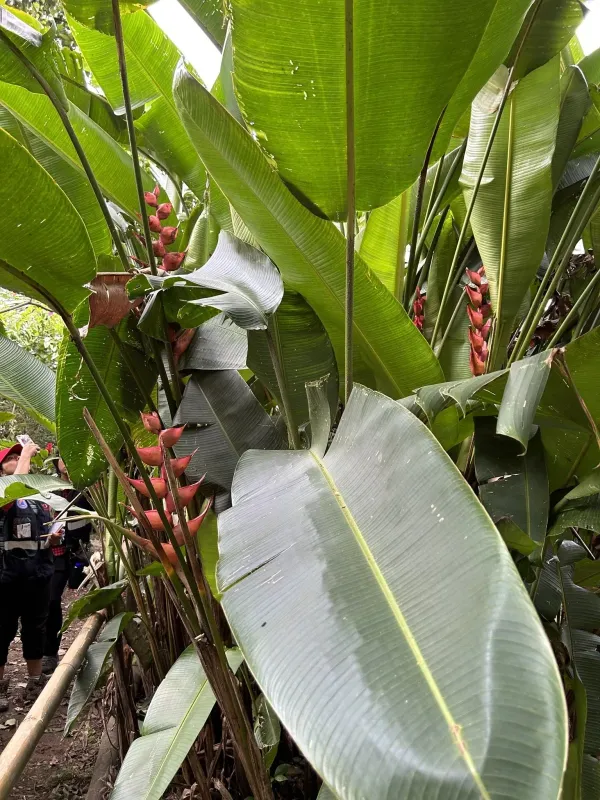
Description
Growing requirements
Heliconia bourgaeana is an exotic ornamental plant belonging to the Heliconiaceae family. Native to the humid rainforests of Central America, this species is highly valued in the global flower market for its striking, architectural inflorescences.
To thrive, this crop requires a tropical climate with temperatures consistently between +22°C and +28°C. It is highly sensitive to cold, and exposure to temperatures below +15°C can cause severe physiological stress or plant death.
The soil must be well-draining, rich in organic matter, and slightly acidic (pH 5.5 to 6.5). In commercial settings, a blend of peat, perlite, and pine bark is often used to ensure proper aeration for the rhizome system.
Water requirements are high, especially during the growth season. Irrigation should be consistent to maintain substrate moisture without reaching a point of saturation, which promotes root pathogens.
Light management is crucial; while the plant requires significant light to bloom, it must be filtered or shaded to prevent scorching. A 40% shade cloth is typically recommended to mimic the dappled light of its natural habitat.
Main diseases and pests
Common pests affecting Heliconia bourgaeana include spider mites and mealybugs. These thrive in warm, sheltered environments, necessitating regular monitoring and integrated pest management programs.
Fungal pathogens such as Fusarium wilt and leaf spot diseases pose significant risks, especially in poorly ventilated greenhouses. High humidity levels without air movement create perfect conditions for spore germination.
Bacterial soft rot can enter through harvest wounds or damage caused by tools. Strict sanitation protocols, including the disinfection of pruning shears with alcohol or bleach, are essential for field hygiene.
Root health is the primary defense against soil-borne threats. Ensuring that the planting beds are elevated and have sufficient drainage significantly reduces the risk of waterlogging-related decay.
Regular scouting is mandatory to detect early signs of infestation. Applying horticultural oils or specific miticides during the early stages of a pest outbreak is more effective than waiting for large-scale damage to appear.
Harvesting
Harvesting Heliconia bourgaeana is a precise operation that determines the vase life of the final product. Flowers are typically cut when the bracts have fully developed their characteristic color and size.
Workers use sanitized knives to make clean cuts, ensuring no jagged edges are left on the main rhizome or the stalk. Stalks are immediately placed in clean water to prevent dehydration and air embolisms.
Post-harvest care involves grading by length and inflorescence quality. The stalks are cleaned to remove debris and then bundled according to market specifications for secure shipping.
Transportation must be handled with care; even though these flowers are robust, the waxy coating on the bracts can be scratched if handled roughly during the packing process.
Storage temperatures should be kept above +12°C. Cold chain logistics are vital to ensure the product arrives at international markets in premium condition, ready for luxury floral arrangements.