
Heliconia collinsiana
Heliconia collinsiana
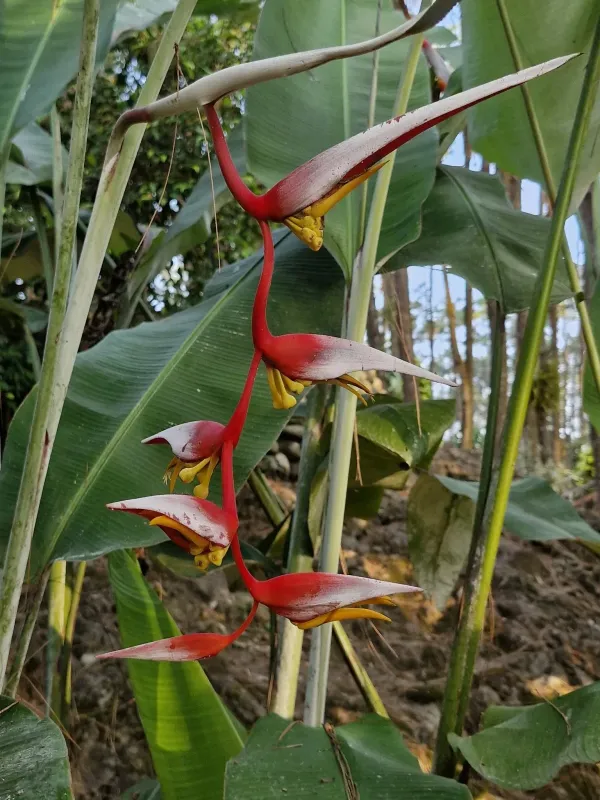
Description
Growing requirements
Heliconia collinsiana is a member of the Heliconiaceae family, known for its distinct, colorful inflorescences. Originating from the tropical regions of Central America, this plant is primarily cultivated in warm climates or specialized greenhouse environments.
The plant thrives in high humidity and requires consistently warm temperatures, ideally between 20 and 30 degrees Celsius. It is extremely sensitive to cold and cannot tolerate frost, which makes it suitable only for tropical or strictly controlled environments.
Soil composition is critical for the health of Heliconia collinsiana. It requires well-draining, nutrient-rich soil with an acidic to neutral pH. Proper drainage is essential to prevent root rot, which is a common problem in heavy, waterlogged substrates.
Light management involves providing bright, filtered light. While the plant requires significant energy for flower production, intense direct sunlight can damage the foliage, leading to scorched leaf edges and reduced overall vitality.
Regular maintenance involves deep watering during the active growth season and moderate fertilization. Balanced NPK fertilizers are used to support both foliage development and the subsequent production of the characteristic hanging bracts.
Harvesting
The harvest of Heliconia collinsiana involves selecting stems when the inflorescences are mature and the bracts have fully developed their characteristic bright coloring.
Stems are typically cut early in the morning or late in the evening to ensure the plant has a higher turgor pressure. This practice significantly increases the vase life of the cut flowers for the market.
Sharp, sterilized pruning tools are used to make clean cuts, preventing the spread of diseases and ensuring that the mother plant can recover effectively for future production cycles.
After harvesting, the stems are cleaned and placed in clean, cool water with floral preservatives. This step is vital to maintain quality during transport and storage before reaching the final consumer.
Post-harvest handling also includes sorting by length and quality grade, as consistent sizing is a key requirement for commercial flower exports and floral design markets.