
Heliconia caribaea
Heliconia caribaea
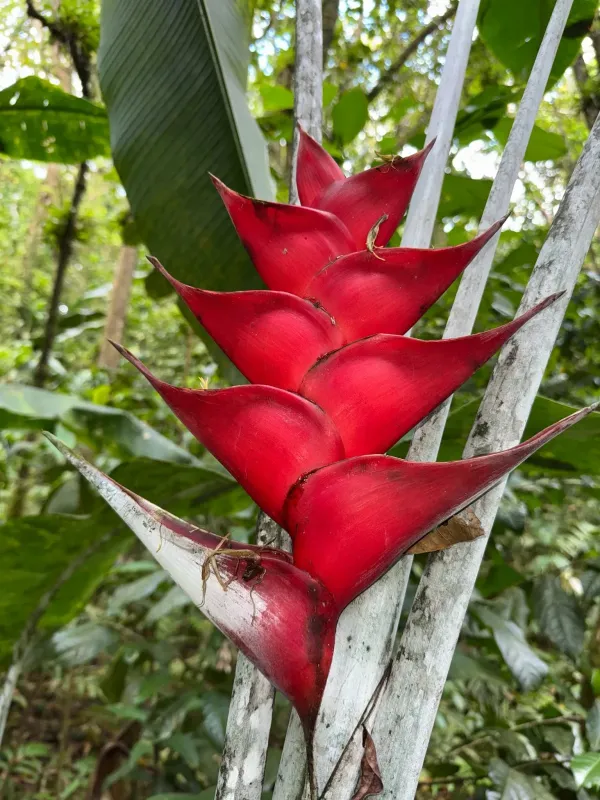
Description
Growing requirements
Heliconia caribaea is a prominent perennial herbaceous plant belonging to the Heliconiaceae family, widely cultivated for its high-value cut flowers. Native to the Caribbean region, it requires tropical environments to reach its full potential, producing impressive, colorful bracts that are essential in the high-end floral export market.
For commercial cultivation, stable temperatures between +22°C and +28°C are mandatory, as the plant is highly sensitive to cold stress. Even minor exposure to temperatures below +15°C will severely hamper development, leading to yellowing of foliage and potential failure of the flower stalks to emerge.
The substrate should be high in organic matter, rich in nutrients, and possess excellent drainage capabilities to prevent waterlogging. A slightly acidic soil pH range of 5.5 to 6.5 is considered ideal for nutrient uptake, ensuring strong plant health and consistent flower production cycles throughout the year.
High relative humidity, ideally above 70%, is essential for the healthy growth of this species. In commercial setups, this is achieved through advanced misting systems. Providing diffuse sunlight is also critical; direct, harsh sun can scorch the broad leaves, while insufficient light significantly reduces the number of bracts per plant.
Fertilization regimes should be finely tuned, utilizing nitrogen-rich compounds during the vegetative stage to encourage stem height, followed by a switch to higher potassium levels during the reproductive phase to enhance the color and durability of the bracts. Consistent irrigation, without oversaturation, is the backbone of successful management.
Main diseases and pests
The primary threats to Heliconia caribaea include fungal pathogens such as Pythium and Fusarium root rot, which thrive in poorly drained substrates. Maintaining strict hygiene in the cultivation area and preventing soil compaction are the most effective non-chemical strategies for mitigation.
Pest management focuses on controlling sap-sucking insects like mealybugs and spider mites, which can quickly colonize the undersides of the leaves. Implementing an Integrated Pest Management (IPM) plan, featuring natural predators alongside targeted acaricides, is highly recommended for sustainable farming practices.