
Heliconia cannoidea
Heliconia cannoidea
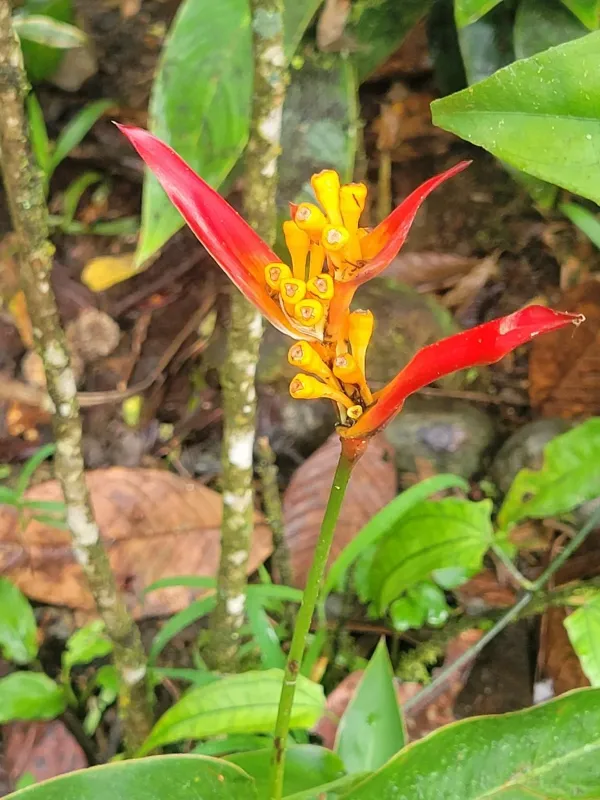
Description
Growing requirements
Heliconia cannoidea is a robust herbaceous perennial species belonging to the Heliconiaceae family. Native to the tropical regions of Central and South America, it thrives in high-humidity, warm environments.
The plant demands a climate with consistent temperatures, ideally between +20°C and +28°C. It lacks tolerance for frost or cold drafts, which makes greenhouse production essential in non-tropical zones.
Soil for this crop must be rich in organic matter, well-aerated, and possess excellent drainage capabilities. A slightly acidic pH level of 5.5 to 6.5 is preferred for optimal nutrient uptake.
While the plant can grow in partial shade, bright filtered sunlight is necessary to maximize flower production. Direct afternoon sun can damage the foliage, necessitating the use of shading systems in commercial setups.
Consistent moisture is key; the soil should remain damp but never waterlogged. Irrigation management is a critical factor in preventing root rot and ensuring vigorous growth throughout the vegetative cycle.
Main diseases and pests
Spider mites represent a major threat, particularly in controlled environments where humidity levels may fluctuate. Regular monitoring and misting are standard preventive measures used by professional growers.
Root rot caused by Phytophthora or Pythium species is a significant risk in poorly drained media. Maintaining correct irrigation schedules and using sterilized growing substrates are crucial for disease prevention.
Scale insects can infest the stems and leaves, extracting plant sap and leading to stunted development. Application of horticultural oils or systemic insecticides is effective for managing these infestations.
Fungal leaf spots can occur if airflow is insufficient. Improving ventilation within the greenhouse helps reduce the incidence of such infections and maintains the aesthetic quality of the foliage.
- Use of pathogen-free propagation material.
- Regular equipment sterilization to prevent cross-contamination.
- Integrated Pest Management (IPM) to reduce chemical reliance.
Harvesting
The primary economic value of Heliconia cannoidea lies in the floriculture industry. Its unique, vibrant inflorescences are highly sought after for exotic floral arrangements and high-end decorations.
Harvesting is performed by hand when the bracts have fully matured and developed their signature color. Care must be taken to cut the stems at the base to encourage healthy regrowth from the rhizome.
Post-harvest handling involves placing the stems in clean water immediately to maintain turgor pressure. Cool and humid storage conditions are required during transit to ensure long vase life for the retail market.
Beyond the cut flower trade, the plant is valued for landscaping in tropical climates. It serves as a striking structural element in gardens, providing a lush, green backdrop even when not in flower.
Selective pruning of old or damaged foliage helps redirect the plant's energy toward new shoots, effectively extending the peak flowering season and maintaining the overall plant health.