
Heliconia angusta
Heliconia angusta
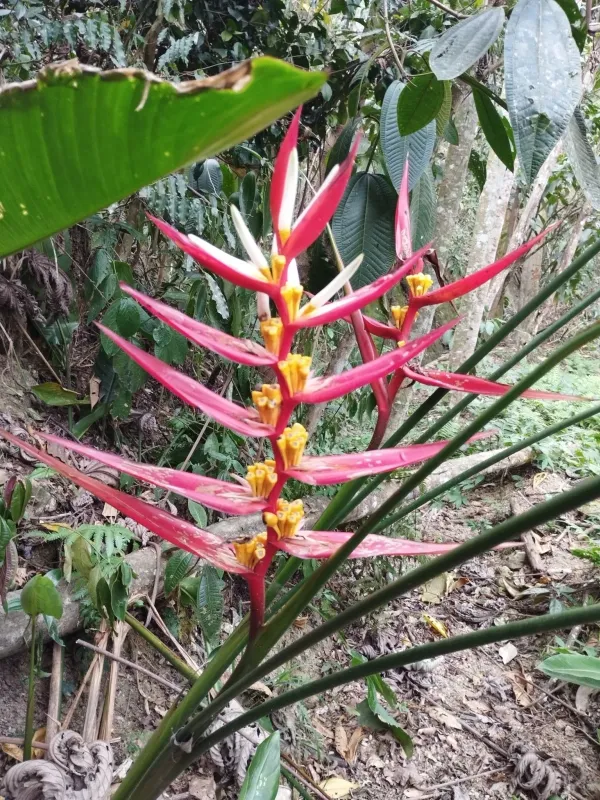
Description
Growing requirements
Heliconia angusta is a perennial herbaceous plant belonging to the Heliconiaceae family. Originating from the tropical rainforests of Brazil, it thrives in warm, humid environments, making it a popular subject for specialized floriculture in tropical and subtropical regions.
The plant requires consistent temperatures ranging between 22 and 28 degrees Celsius for optimal vegetative growth. High ambient humidity is critical for this species, as it typically requires a moisture level above 70 percent to prevent physiological stress and leaf margin desiccation.
For cultivation, the plant needs well-draining, nutrient-rich soil with high organic content. The ideal substrate should be slightly acidic to neutral (pH 5.5–6.5) to ensure nutrient uptake, and excessive compaction must be avoided to prevent root suffocation.
Light management is essential, as the species prefers bright, filtered sunlight. Exposure to intense, direct tropical sun can cause severe leaf scorch, necessitating the use of shade cloths or greenhouse filtering systems to maintain healthy leaf tissue and bloom quality.
The primary commercial use of Heliconia angusta is in the ornamental flower industry. Its vivid, long-lasting inflorescences make it a highly sought-after cut flower, valued for its durability and unique visual appeal in professional floral arrangements.
Main diseases and pests
Spider mites represent a significant threat to Heliconia angusta crops, particularly in environments with suboptimal humidity. These pests thrive in dry conditions and can quickly cause widespread chlorosis and necrosis if not managed promptly through integrated pest control.
Root rot, primarily caused by Pythium and Phytophthora species, is the most detrimental condition for this plant. It is almost always associated with poor drainage, waterlogging of the substrate, or excessive irrigation, which damages the root system's oxygen supply.
Mealybugs are frequently observed on young shoots and floral bracts, where they feed on sap and excrete honeydew. This often leads to the development of sooty mold, which can degrade the aesthetic and commercial quality of the flower stems.
Bacterial and fungal leaf spots are common in greenhouses with stagnant air and high condensation levels. Improving airflow and maintaining proper spacing between plants are essential cultural practices to reduce the incidence of these diseases.
Integrated disease management (IDM) programs are recommended, involving the regular inspection of planting material and the use of preventative bio-fungicides. Maintaining a rigorous sanitary schedule helps ensure the long-term productivity and health of the crop.