
Tripterospermum
Tripterospermum
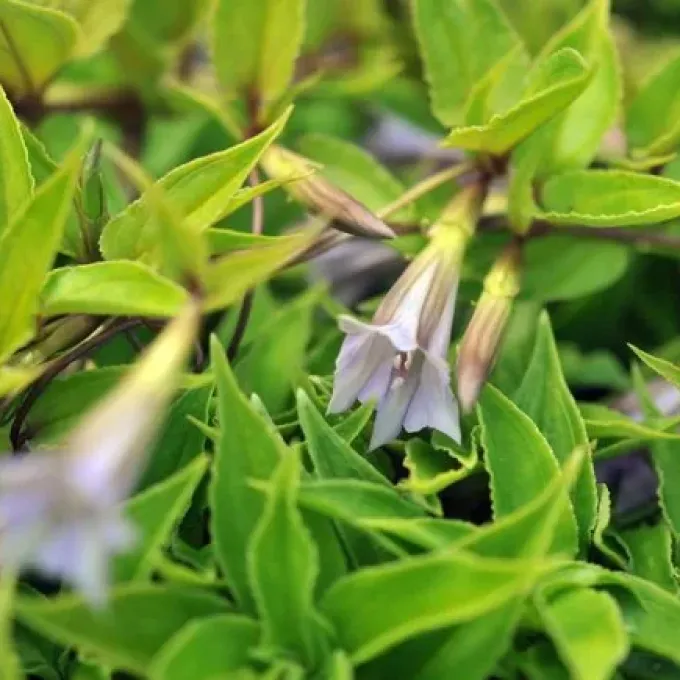
Description
Sowing dates
Seeds of Tripterospermum require a specific chilling period known as stratification to break dormancy. Sowing should ideally take place in early spring using a sterile, well-draining seed-starting mix.
Place seeds on the surface of the soil and barely cover them with fine vermiculite, as they often require light to germinate effectively. Maintain high humidity by covering the container with plastic wrap or using a propagation dome.
The germination process can be slow and sporadic, sometimes taking several weeks to show signs of life. Patience is essential during this stage, as the seedlings are extremely fragile and sensitive to environmental changes.
Avoid excessive heat during the germination phase; maintain temperatures between 15 and 20 degrees Celsius. Once the first true leaves emerge, gradually increase airflow to prevent damping-off diseases.
Transplanting seedlings into individual pots should be done carefully to avoid damaging the delicate root system. Use a peat-based potting medium to ensure long-term stability and nutrient availability.
Growing requirements
Tripterospermum is a fascinating genus of climbing perennials within the Gentianaceae family, native to temperate and subtropical regions of Asia. These plants typically thrive in woodland environments where they can climb nearby shrubs.
Soil requirements for this crop include a rich, acidic composition with excellent drainage properties. Incorporating leaf mold or well-decomposed compost helps mimic their natural forest floor habitat.
The climate must be humid and temperate, avoiding extreme heat or freezing temperatures. In a controlled agricultural setting, providing partial shade is vital to prevent leaf scorching and excessive transpiration.
Consistent moisture is key to success, as the plants do not tolerate drought well. However, saturated soil must be avoided at all costs, as the roots are prone to decay if kept in standing water.
Support structures like trellises or netting are necessary for these climbing vines to reach their full potential. Proper structural support allows for better air circulation and easier harvesting of the plant material.
Main diseases and pests
Fungal pathogens represent the most significant threat to Tripterospermum, particularly in humid, poorly ventilated environments. Root rot and powdery mildew are common issues that require prompt attention.
Insect pests, including aphids and spider mites, can cause severe damage to the foliage if not monitored regularly. Early detection is crucial, as these pests reproduce rapidly under warm conditions.
Integrated pest management strategies should be employed, focusing on biological controls rather than harsh chemical sprays. This ensures the harvested material remains safe for medicinal or other applications.
Good sanitation practices, such as clearing fallen leaves and removing infected debris, go a long way in preventing the recurrence of common plant diseases. Keep the growing area clean and well-maintained.
Maintaining a balanced nutrient program is essential to keep the plants vigorous. Plants with high vitality are naturally more resistant to the stress caused by minor pest attacks or localized infections.