
Swertia veratroides
Swertia veratroides
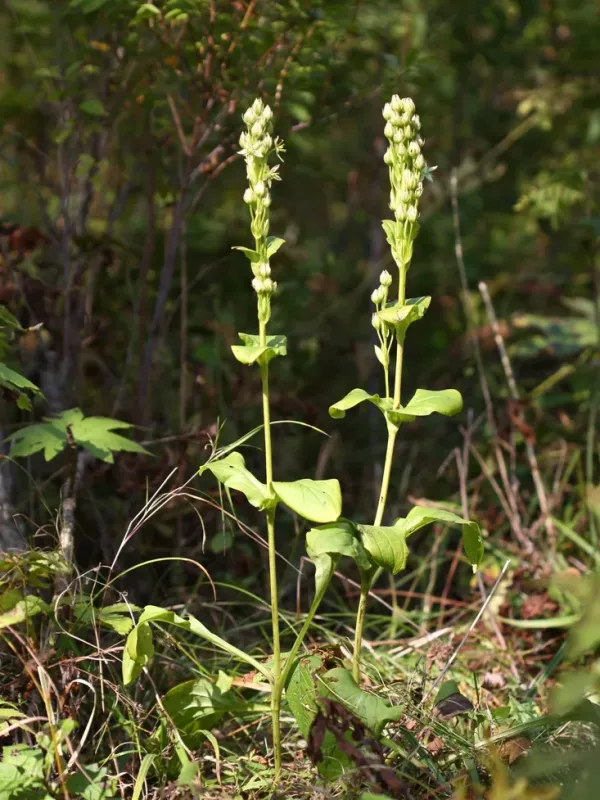
Description
Growing requirements
Swertia veratroides is a herbaceous perennial plant belonging to the Gentianaceae family. It is native to high-altitude regions of East Asia, where it typically inhabits moist alpine meadows and mountainous slopes, thriving in cool, temperate microclimates.
The botanical structure of the plant is characterized by a basal rosette of leaves that resemble those of the Veratrum genus, which explains the specific epithet. The plant develops a robust flowering stalk under favorable growing conditions, bearing numerous small, star-shaped flowers.
Soil requirements are quite specific: the plant demands humus-rich, well-draining soil that maintains a consistent level of moisture without becoming waterlogged. Ideal cultivation sites are those with slightly acidic to neutral pH levels and a loose soil texture for proper root expansion.
Regarding climate, Swertia veratroides prefers regions with cool summers and significant temperature drops at night. It is sensitive to extreme heat and direct, intense sunlight; therefore, shade-providing infrastructure or northern-exposed slopes are recommended in agricultural settings.
In terms of economic importance, this species is highly valued in pharmaceutical production due to its high concentration of secoiridoid glycosides and xanthones. These compounds are utilized for their potent hepatoprotective and digestive-stimulatory properties in herbal medicine.
Main diseases and pests
Major threats to Swertia veratroides include various fungal diseases that thrive in high humidity environments. Root rot and damping-off are common issues that occur if the substrate drainage is inadequate during the early stages of plant development.
Pest pressures primarily come from slugs and snails, which can cause significant damage to the lush foliage during the vegetative phase. These pests are attracted to the moisture-rich habitats that the plant requires for its own survival, necessitating careful integrated pest management.
To mitigate disease risks, agronomists recommend maintaining adequate spacing between individual plants to promote airflow. Improving soil structure through the addition of organic matter and aeration can also significantly reduce the incidence of soil-borne pathogens.
Insects like aphids may sporadically infest the flower stalks, potentially transmitting viral diseases. Regular scouting of the fields is essential to detect early infestations and prevent the widespread transmission of viruses throughout the medicinal crop.
Chemical control must be applied with caution to ensure the final product meets pharmaceutical safety standards. Consequently, biological control methods and preventive cultural practices, such as proper crop rotation and sanitation, are preferred for managing pest populations.