
Swertia purpurascens
Swertia purpurascens
Description
Growing requirements
Swertia purpurascens is a notable plant species belonging to the Gentianaceae family, primarily native to the Himalayan alpine and sub-alpine regions. It has gained recognition as a specialized medicinal crop due to its unique phytochemical composition, which includes various xanthones and bitter glycosides.
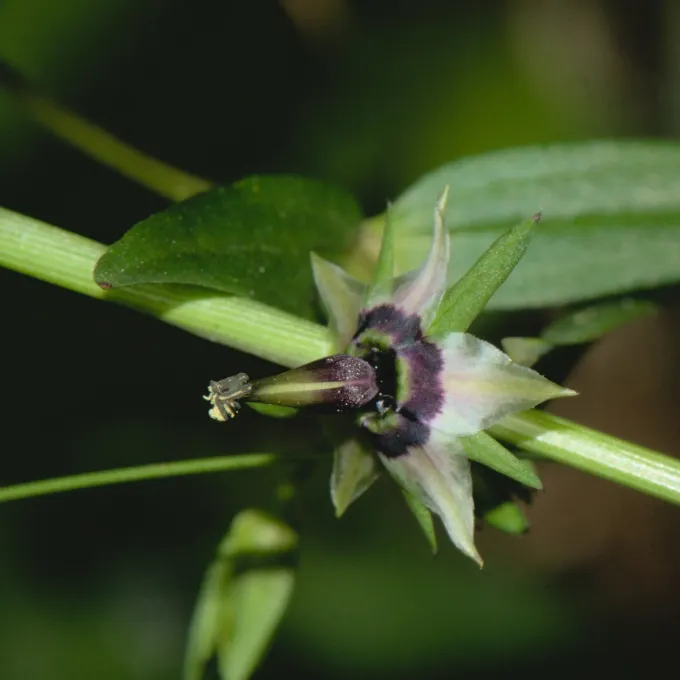
The plant exhibits a distinct morphological structure with an upright stem, opposite leaves, and prominent purple-tinged flowers. Its life cycle is adapted to high-altitude environments, requiring specific conditions for germination and sustained vegetative growth in a cultivated setting.
Successful cultivation requires cool, moist conditions that mimic its mountainous origin. The ideal soil profile consists of well-drained, slightly acidic to neutral soil that remains loose enough to prevent root compaction while maintaining consistent moisture levels throughout the growing season.
Agronomic management must account for the plant's sensitivity to high temperatures and intense solar radiation. Providing partial shade and ensuring adequate air circulation around the canopy are critical practices to prevent heat stress and physiological damage to the foliage.
In terms of economic value, Swertia purpurascens is highly regarded in herbal medicine for its hepatoprotective, anti-inflammatory, and digestive properties. Commercial cultivation is focused on harvesting the aerial parts of the plant during the flowering stage, when the concentration of medicinal compounds is at its peak.
Main diseases and pests
Pathogenic threats are primarily linked to environmental mismanagement, specifically excessive humidity leading to fungal infections such as root rot and powdery mildew. Maintaining a strictly regulated moisture regime is the most effective preventative measure against these diseases.
Pest pressures often involve foliage-consuming insects and slugs, which can severely impact the biomass quality. To manage these threats effectively, integrated pest management strategies focusing on physical barriers and organic pest control are recommended for medicinal herb production.