
Swertia pseudochinensis
Swertia pseudochinensis
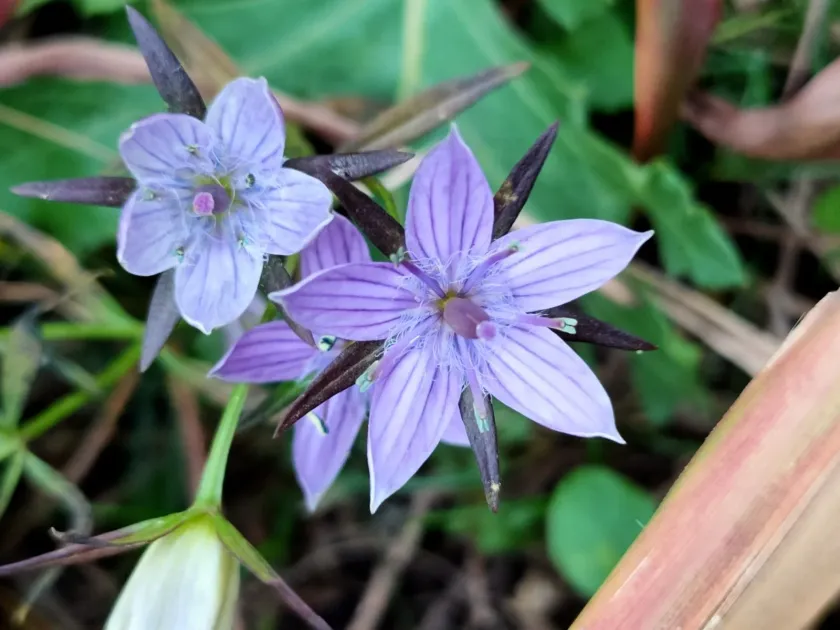
Description
Sowing dates
Swertia pseudochinensis is an annual or biennial herbaceous plant belonging to the Gentianaceae family. Due to the biological characteristics of its seeds, they require a period of stratification to break dormancy, so winter sowing in open ground is a common practice.
When cultivating in spring, the seeds are sown as soon as the soil temperature reaches 5-10 degrees Celsius. They are very small and should be sown at a shallow depth of approximately 0.5 to 1 centimeter to ensure consistent germination.
Rows should be spaced about 25-30 centimeters apart to provide enough room for the basal rosette to develop properly. Maintaining constant soil moisture during the first few weeks after sowing is critical for successful emergence.
For greenhouse production, seeds can be started in trays during late winter. Using high-quality growth media and supplemental lighting helps produce robust seedlings that are better suited for transplanting.
Transplanting into the field is carried out once the danger of frost has passed. Hardening off the plants for a week before moving them outdoors improves their survival rate and overall vigor in the final planting site.
Growing requirements
The plant thrives in moderately moist, well-drained soil with a neutral to slightly acidic pH. Proper soil structure is essential for the healthy development of its root system, as it is highly sensitive to waterlogging.
Swertia pseudochinensis prefers rich, organic-based soils. In its native habitat, it grows in mountain slopes and valleys, implying a need for good aeration and protection from excessive heat or dry conditions.
Temperature management is vital; the plant performs better in cooler environments. Providing shade during the hottest parts of the day can prevent thermal stress and help maintain plant vitality during summer.
Weed control is a non-negotiable part of the agronomic process. Because the plant is relatively slow-growing in its early stages, it requires regular manual weeding or light hoeing between the rows to avoid nutrient competition.
Fertilization should be balanced, focusing on potassium and phosphorus to support the production of medicinal compounds. Excessive nitrogen should be avoided as it can promote vegetative growth at the expense of active phytochemicals.
Yield
The yield of Swertia pseudochinensis is determined by the total dry weight of the harvested biomass. The target material consists of the entire above-ground part of the plant, collected during the peak flowering stage.
With precise agronomic care and ideal environmental conditions, growers can achieve significant yields of high-quality raw material. It is essential to harvest before seed maturation to ensure the highest concentration of bitterness-inducing glycosides.
Post-harvest processing involves rapid drying at temperatures not exceeding 45 degrees Celsius. This ensures that delicate chemical compounds are preserved and prevents the growth of mold during the storage process.
The plant is primarily used in traditional medicine and the supplement industry for its digestive, liver-protective, and bile-stimulating properties. Quality is defined by the purity and content of active ingredients.
Final product value is heavily dependent on the efficiency of the harvest and the drying protocol. Standardized laboratory testing is typically required to ensure compliance with pharmacopoeial quality benchmarks.
Main diseases and pests
Root rot is the most significant disease threat to Swertia pseudochinensis, typically caused by poor soil drainage and excessive humidity. Preventing water stagnation is the most effective way to avoid this issue.
Powdery mildew can occur in dense, poorly ventilated plantings. Maintaining adequate spacing and ensuring good airflow through the crop canopy are essential prophylactic measures to keep the plants healthy.
Aphids and spider mites are the most common pests. They can cause damage by feeding on young leaves and potentially spreading plant viruses, so regular monitoring and early intervention are necessary.
Slugs and snails can decimate young crops, particularly in damp and cool weather. Protective measures such as biological deterrents or physical barriers can help mitigate damage during the early growth phases.
To prevent soil-borne pathogens and pests, a proper crop rotation plan should be implemented. Avoid planting Swertia in fields where other members of the Gentianaceae family have been grown recently.
Harvesting
Harvesting is performed during dry weather to facilitate the drying process. The optimal time is when the flowers are fully open, as the concentration of medicinal compounds reaches its maximum at this stage of development.
The plants are cut 5-10 centimeters above the ground level using clean, sharp tools. This practice ensures that no soil or debris is collected with the biomass, which is crucial for high-grade production.
After collection, the material must be cleaned and processed immediately. Keeping the raw material in bulk for too long can lead to spontaneous heating and degradation of the therapeutic quality.
The harvested herb is stored in breathable bags or boxes in a cool, dry, and dark environment. Protecting the dried herb from light and moisture is essential to maintain its efficacy over long periods.
Quality assessment involves checking the color, scent, and intensity of the bitter taste. Properly prepared material should be brittle and aromatic, ready to be processed into tinctures, tea blends, or extracts.