
Marsh felwort
Swertia perennis
Description
Growing requirements
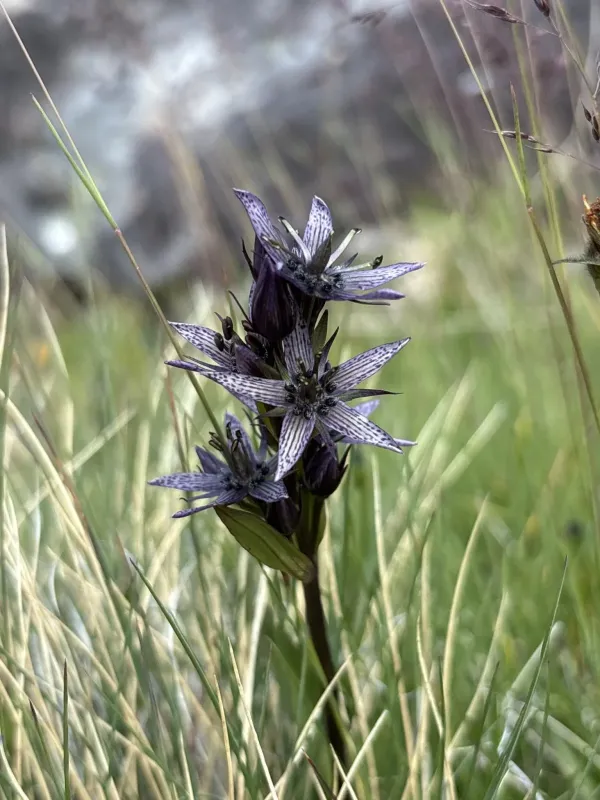
Marsh felwort (Swertia perennis) is a perennial herbaceous plant belonging to the Gentianaceae family. It is known for its distinct appearance, characterized by star-shaped, dark purple to blue flowers that attract pollinators in its native habitats.
The plant originates from the mountainous and swampy regions of the Northern Hemisphere. It thrives in high-moisture environments such as alpine meadows, wetland margins, and seepage areas where soil moisture is consistent throughout the year.
When cultivating Swertia perennis, it is crucial to simulate its natural environment. It requires moist, humus-rich soil that does not dry out. A sunny to partially shaded exposure is ideal, as the plant dislikes intense heat and direct, harsh sunlight.
Regarding climate, this species is highly cold-hardy and requires a dormancy period provided by winter temperatures. It performs best in cool-temperate climates where moisture levels remain high throughout the summer season.
The agronomic management of this crop focuses on water retention. Planting in areas with high water tables or using efficient irrigation systems is necessary to maintain the turgor of the foliage and ensure healthy flowering cycles.
Main diseases and pests
The primary threats to the cultivation of Swertia perennis are related to soil management and moisture control. If the soil becomes waterlogged without adequate aeration, the risk of root rot increases significantly, potentially destroying the crop.
Slugs and snails are the most common pests, as they thrive in the same humid conditions as the plant. These pests can rapidly defoliate younger plants if not monitored and managed through manual removal or physical barriers.
Fungal pathogens such as mildew can develop if the spacing between plants is too dense, preventing airflow. Adequate space between plants is essential to maintain a healthy environment and reduce the humidity around the canopy.
To ensure healthy yields, agronomists should avoid heavy chemical interventions. Instead, focus on integrated pest management (IPM) strategies, such as maintaining cleanliness in the field and removing debris that could harbor pests.
Regular monitoring of the root zone and foliage is necessary to detect early signs of stress. Early intervention through cultural practices, such as thinning out crowded patches, is the most effective way to prevent widespread plant loss.