
Swertia multicaulis
Swertia multicaulis
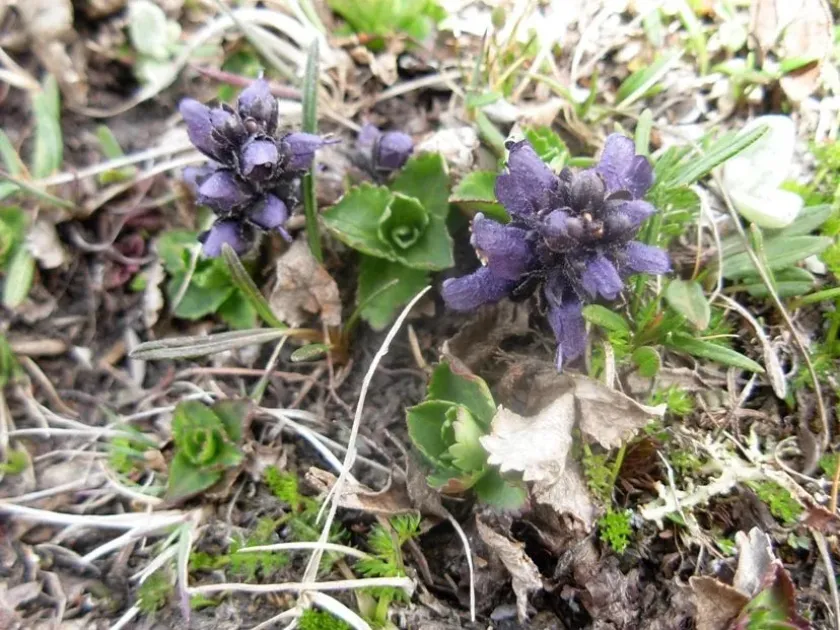
Description
Sowing dates
Swertia multicaulis is a perennial herb belonging to the Gentianaceae family, typically found in high-altitude meadows. Its seeds have a strong dormancy mechanism that requires stratification to achieve a high germination rate before sowing.
For optimal results, seeds should be sown in late autumn to experience natural winter cooling. If spring sowing is necessary, seeds must be subjected to artificial cold stratification at temperatures between +2°C and +5°C for several weeks prior to planting.
The seeds are minute and should be sown on the surface of the soil with minimal covering, roughly 0.5 cm deep. A loose, well-draining substrate is essential to prevent moisture accumulation around the seeds, which can cause them to rot before germination.
Growth is significantly slower during the first year, focusing on the establishment of a basal rosette. Successful cultivation requires patience, as the plant typically enters its productive flowering stage only in the second or third year of growth.
Planting density should be managed to allow for adequate airflow between individual plants. High-density planting is generally discouraged, as it increases the risk of humidity-related fungal diseases, which are a major threat to this alpine species.
Growing requirements
Swertia multicaulis thrives in cool, alpine climates. It requires well-drained, sandy-loamy or stony soil with a neutral to slightly acidic pH. Poorly drained soil will lead to rapid root decay and plant mortality, especially during wet seasons.
The plant demands high light intensity, reflecting its native environment. However, in low-altitude farming, shading is necessary during the hottest part of the day to prevent heat stress and soil overheating, which can severely inhibit plant vitality.
Adequate air circulation is a critical requirement for successful development. The plant prefers areas with natural breezes, which helps keep the foliage dry and minimizes the risk of powdery mildew or other atmospheric fungal pathogens.
Water management must be precise. The soil should remain moist but never saturated. Drip irrigation systems are the most efficient method for commercial farming, as they minimize contact between the water and the leaves, which is vital for disease prevention.
The plant responds well to small, frequent applications of mineral nutrients, as it is naturally adapted to nutrient-poor alpine soils. Over-fertilization, especially with high nitrogen content, leads to weak tissue development and makes the plant susceptible to pests.
Yield
The yield of Swertia multicaulis is primarily measured by the total biomass of the aerial parts and the weight of the dried roots. Because it is a slow-growing species, commercial harvesting is generally feasible only after the third year of cultivation.
The quantity of bio-active compounds, such as xanthones and flavonoids, determines the quality and market price of the harvest. Agronomic practices must prioritize the maximization of these secondary metabolites through controlled stress conditions and harvest timing.
Typical yields in specialized medicinal herb nurseries are around 0.5 to 1.0 metric tons of dried biomass per hectare. Efficiency can be improved by selecting high-yielding genotypes and optimizing the harvest period to coincide with peak concentrations of active substances.
Root harvesting is an intensive process, requiring complete removal of the root system. This method is common because the roots often contain higher concentrations of beneficial bitter substances, which are highly valued in herbal medicine formulations.
Long-term sustainability of the field requires careful management, such as replanting sections of the plot or utilizing crop rotation, as Swertia multicaulis can deplete specific soil nutrients over prolonged cultivation cycles on the same patch.
Main diseases and pests
Root rot, often caused by Fusarium or Phytophthora species, is the most severe threat to Swertia multicaulis. These pathogens thrive in poorly ventilated and waterlogged soils, attacking the crown and roots, often leading to total loss of the plant.
Powdery mildew is a recurring issue in high-humidity conditions, covering the leaves with a white, powdery fungus. It restricts photosynthesis and weakens the plant, making it necessary to implement preventative fungicide treatments early in the season.
Soil-dwelling insects, such as wireworms, represent a significant threat during the early development stages. They feed on the succulent roots of young seedlings, causing the plants to wilt and die before they are properly established in the soil.
Slugs and snails can cause substantial damage to young shoots in early spring. Barriers such as grit or specialized molluscicides are necessary to prevent them from defoliating the plants during the most vulnerable early growth period.
Strict phytosanitary measures are essential for this crop. Because it is sensitive to many common garden pests and diseases, keeping the plantation free of weeds and dead plant material is the primary defense against recurring infections.
Harvesting
Harvesting the aerial parts should be performed at the beginning of the full flowering phase. This timing ensures that the plant has accumulated the maximum amount of pharmacological compounds, which are often at their highest levels during the flowering transition.
The stems should be cut using sterilized tools to prevent the spread of diseases. Immediate post-harvest handling is critical, as the material can quickly degrade or become moldy if left in piles, especially in humid environments.
Root harvesting is conducted in late autumn, once the plant has entered dormancy and the energy has shifted from the foliage to the storage organs. The roots must be thoroughly cleaned of soil and debris immediately after extraction.
Drying is the final and perhaps most critical step. The harvested material should be dried in a dark, airy location at controlled temperatures, usually under 45°C. Excessive heat will destroy the sensitive chemical components required for medicinal use.
Once dried, the product should be stored in moisture-proof, light-proof containers. Swertia multicaulis is sensitive to light and atmospheric moisture, which can degrade its chemical profile and reduce its shelf life significantly.