
Swertia iberica
Swertia iberica
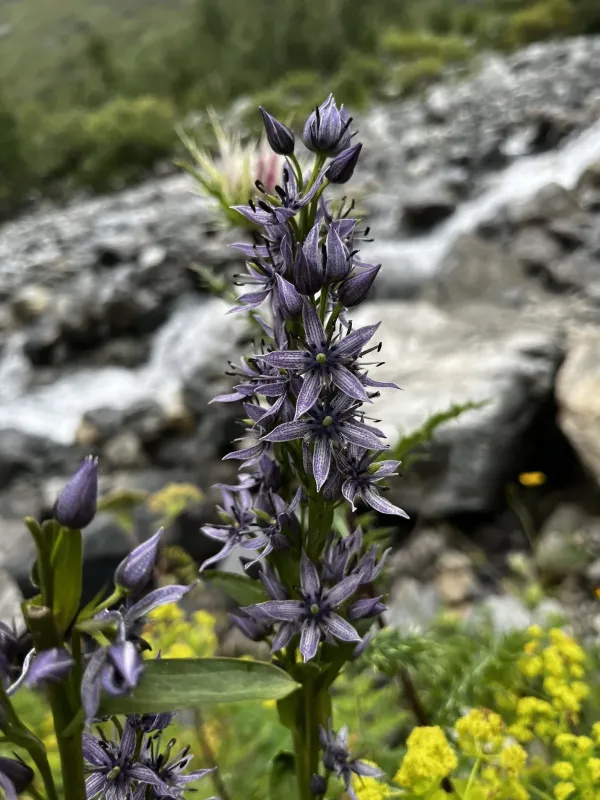
Description
Sowing dates
Swertia iberica is a perennial herb belonging to the Gentianaceae family. It is a plant native to mountain habitats, valued for its biological properties and unique chemical composition.
The seeds of this species possess deep dormancy and require cold stratification. Sowing is best performed in late autumn to allow the seeds to undergo natural winter chilling in the soil.
If sowing is done in spring, seeds must be kept in a refrigerator at temperatures between 2 and 5 degrees Celsius for at least 4 to 8 weeks before planting.
Surface sowing is recommended as the seeds are extremely small. They should be lightly pressed into the soil and kept moist but not waterlogged until germination occurs.
The growth rate in the first year is notably slow. It is essential to maintain a clear space around the seedlings to ensure they receive sufficient light and nutrients for development.
Growing requirements
This crop thrives in conditions that mimic its natural alpine origin. It prefers well-drained, porous soils that can retain moisture while allowing excess water to pass through quickly.
A cool climate is crucial for this plant. While it is hardy against cold, it struggles in intense heat and prolonged drought, making irrigation management vital during summer months.
Neutral to slightly acidic soil pH is ideal for healthy growth. Incorporating organic compost before planting helps improve soil structure and provides necessary micronutrients.
Light levels should be high, yet the plants benefit from partial shade in regions where the summer sun is exceptionally strong. This prevents leaf scorching and maintains hydration.
Proper airflow is a non-negotiable requirement for Swertia iberica. Stagnant air conditions near the plant base often trigger fungal growth and root weakness.
Main diseases and pests
Root rot caused by over-irrigation is the most common threat to the survival of the plants. Avoiding saturated soils is the primary preventative measure for any cultivator.
Aphids can infest the foliage during the growing season. Early detection and manual removal or the use of mild soaps are preferred methods over synthetic pesticides.
Competition from fast-growing weeds is the greatest danger during the early establishment phase. Regular weeding is mandatory for successful crop development.
Powdery mildew may develop in areas with high humidity and poor ventilation. Keeping the planting site clean and well-ventilated reduces the risk significantly.
Slugs are known to feed on young seedlings in moist environments. Barriers like crushed eggshells or sand can act as an effective deterrent against these gastropods.