
Swertia hookeri
Swertia hookeri
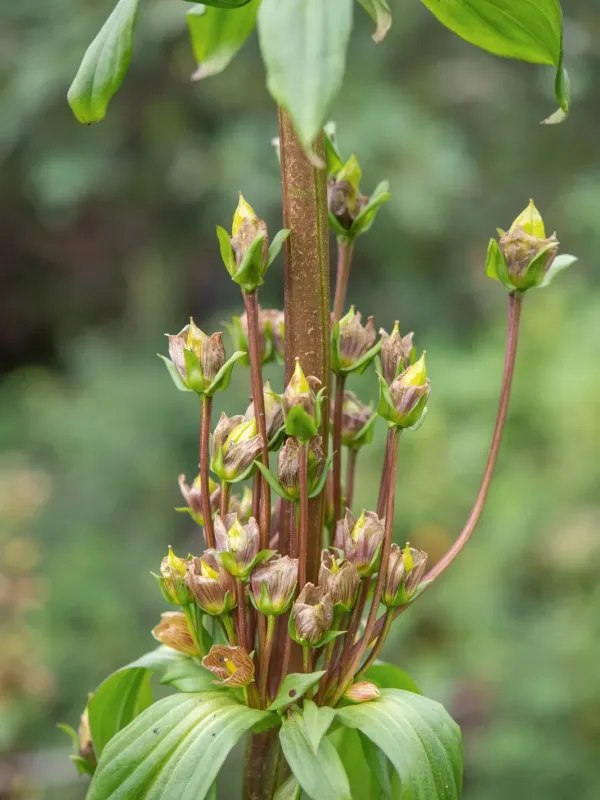
Description
Growing requirements
Swertia hookeri is a perennial plant belonging to the Gentianaceae family. Native to the high-altitude regions of the Himalayas, it is adapted to extreme environmental conditions at elevations reaching up to 5000 meters above sea level.
The plant thrives in cool, alpine climates characterized by high light intensity and significant diurnal temperature fluctuations, which are essential for its natural metabolic processes.
In terms of soil, this species requires well-drained, nutrient-poor, and stony substrates. In cultivation, avoiding waterlogging is critical, as the roots are highly susceptible to hypoxia and rotting if moisture levels remain consistently high.
Climatic requirements also include high air purity and constant airflow, which helps prevent the accumulation of heat and moisture around the leaf rosette, simulating the alpine environment.
Its botanical structure includes a basal rosette and rigid stems, reflecting its evolution to survive in harsh, wind-swept environments where rapid growth is often impossible due to short vegetation periods.
Main diseases and pests
The primary threats to Swertia hookeri involve fungal infections that target the root system, often triggered by improper irrigation practices or poor soil drainage.
Fusarium and Pythium species represent major risks, potentially causing root rot and systemic wilting, which can lead to the loss of an entire cultivation area if not controlled.
Soil-borne pests like nematodes can cause significant physical damage to the root network, facilitating the entry of pathogens and weakening the plant's structural integrity.
While foliage pests are less common at high altitudes, in sheltered growing environments, aphids and spider mites can become problematic if temperatures rise significantly.
Management strategies focus on disease prevention through sterile growing media, strict humidity control, and maintaining adequate spacing to ensure proper aeration between individual plants.