
Swertia dichotoma
Swertia dichotoma
Description
Growing requirements
Swertia dichotoma is an annual herbaceous plant belonging to the Gentianaceae family. In its natural habitat, it is primarily distributed across the mountainous regions of East Asia, including parts of China and Mongolia.
The crop prefers well-lit areas with moderate moisture levels. It shows optimal growth in light, well-drained soils with a neutral to slightly acidic pH, typical of subalpine meadow ecosystems.
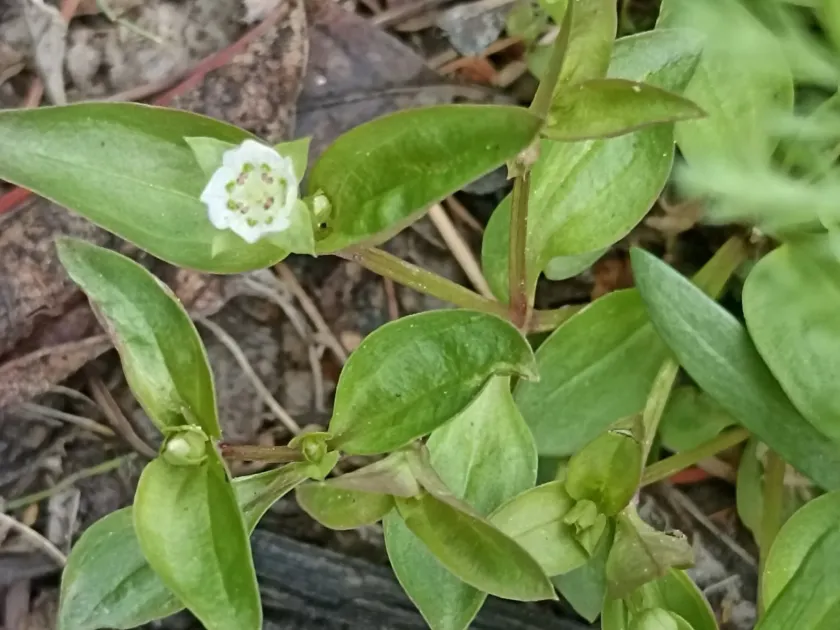
The plant features an erect, often dichotomously branched stem, typically reaching heights of 20 to 50 centimeters. Its leaves are arranged in an opposite pattern and possess a lanceolate or linear shape, which aids in moisture retention in high-altitude climates.
During the flowering stage, the plant develops delicate blossoms arranged in panicle inflorescences. The petals are often white or pale lilac, marked with distinctive dark spots or nectar glands, which serve as a key taxonomic feature of this species.
The economic value of Swertia lies in its rich content of bioactive compounds, particularly xanthones and flavonoids. The plant is widely utilized in traditional medicine for its hepatoprotective and choleretic properties, making it a promising candidate for pharmaceutical-grade cultivation.
Main diseases and pests
The primary threats to these crops are fungal diseases triggered by excessive soil moisture. Root rot can occur during periods of waterlogging, making it essential to provide adequate soil drainage throughout the growing season.
Among the pests, aphids are frequently observed affecting the plant, as they feed on the sap of young shoots. To manage these, biological pest control methods or preventative spraying with botanical insecticides are highly recommended.