
Swertia cordata
Swertia cordata
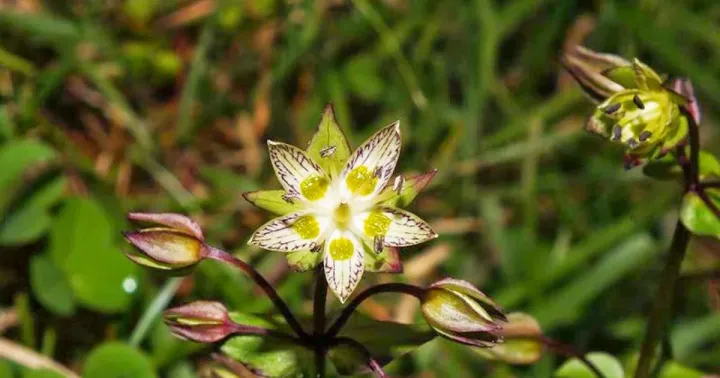
Description
Growing requirements
Swertia cordata is a herbaceous plant species belonging to the Gentianaceae family. Native primarily to the mountainous regions of Asia, including the Himalayas, this plant has adapted to thrive in specific environmental conditions that mimic high-altitude ecosystems.
Agricultural success with this species depends heavily on soil composition. It requires well-draining, humus-rich soil that retains moisture without becoming waterlogged. The pH level should ideally be slightly acidic to neutral to support nutrient uptake efficiently.
The plant demonstrates a preference for temperate climates, requiring consistent moisture and protection from extreme heat or direct, harsh sunlight. In agricultural settings, it is often grown in areas that provide natural airflow and cooler ambient temperatures during the growing season.
Botanically, it is characterized by its distinct heart-shaped leaves and star-like flowers arranged in terminal inflorescences. These parts contain a high concentration of secondary metabolites, specifically xanthones, which define the plant's medicinal profile.
In terms of usage, Swertia cordata is highly valued in pharmaceutical production. It is cultivated as a source of bitter compounds that act as digestive aids and hepatoprotective agents in traditional and modern herbal formulations.
Main diseases and pests
The primary threats to Swertia cordata cultivation are fungal pathogens, specifically those causing root and crown rot, typically exacerbated by poor soil aeration. Growers should implement strict watering schedules and ensure optimal field drainage to mitigate these risks effectively.