
Swertia angustifolia
Swertia angustifolia
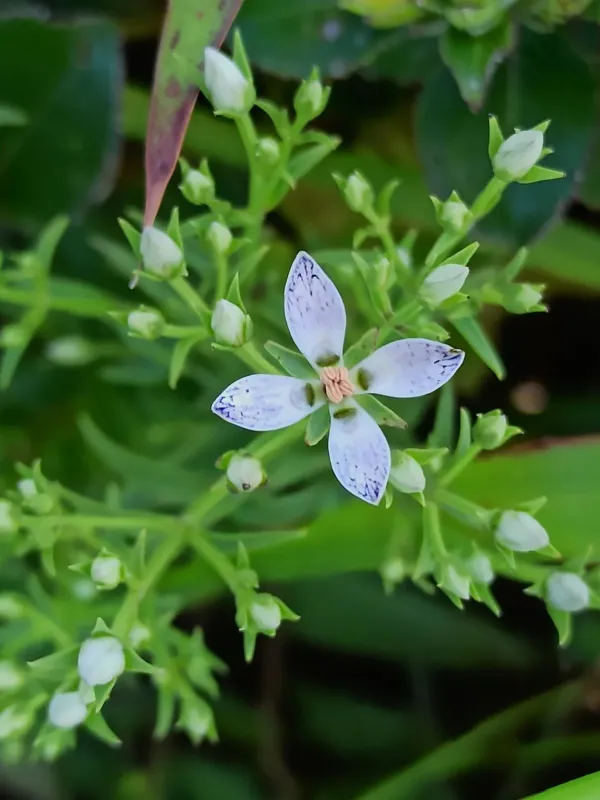
Description
Growing requirements
Swertia angustifolia is a member of the Gentianaceae family, known for its significant presence in the mountainous regions of Asia. This medicinal herb is highly valued for its bioactive compounds, which makes it a target for specialized agricultural cultivation.
The plant is characterized by slender, narrow leaves and delicate flowers appearing in paniculate inflorescences. Its growth cycle is adapted to alpine or sub-alpine environments, where cool temperatures and consistent moisture levels define the natural habitat.
Cultivation success relies heavily on soil structure. Swertia angustifolia thrives in well-drained, fertile loams with a slightly acidic to neutral pH. Proper soil aeration is critical, as the roots are highly susceptible to oxygen deprivation in waterlogged conditions.
Climate requirements include protection from extreme heat and direct, scorching sunlight. While the plant requires moisture, the humidity levels must be managed carefully to avoid a stagnant microclimate, which hinders proper development.
Basic agronomic practices for this species include consistent weed control and shallow cultivation between rows to maintain soil porosity. During the vegetative stage, balanced nutrient management is essential for optimizing the yield of high-quality raw plant material.
Main diseases and pests
Common phytosanitary threats include soil-borne fungal pathogens such as Pythium or Phytophthora species, which thrive in excessive moisture. Aphids can also cause stress to the plants, potentially reducing the quality of the medicinal harvest.